

The Dominican Republic is making headlines across the travel world after announcing a historic milestone: 11.6 million visitors in 2025, marking the strongest tourism year in the country's history. This record-breaking performance, with December alone seeing the highest monthly air arrival totals ever recorded, signals a remarkable recovery and growth trajectory for the Caribbean's most popular destination. As travelers flock to its pristine beaches, vibrant culture, and all-inclusive resorts, understanding the latest developments, entry requirements, and travel tips has never been more important for planning your 2026 visit.
Breaking Records: How the Dominican Republic Became the Caribbean's Top Destination
In 2025, the Dominican Republic shattered all previous tourism records by welcoming 11.6 million visitors, a 4.3% increase over previous years and the highest figure ever recorded for the nation. According to Travel And Tour World, December air arrivals reached unprecedented levels, with the country closing the year with what Tourism Minister David Collado called "the strongest tourism performance ever recorded in the country's history." This remarkable achievement positions the Dominican Republic firmly as the Caribbean's leading destination, outpacing regional competitors and demonstrating resilience in post-pandemic travel recovery.

The Caribbean Journal reports that this growth represents a significant milestone in the country's tourism development, with the 11.6 million visitors reflecting both increased air connectivity and successful marketing campaigns targeting North American and European markets. The record numbers come despite global economic uncertainties, highlighting the Dominican Republic's enduring appeal as a value-packed tropical destination.
Why Now: The Factors Behind the Tourism Boom
Several key factors have converged to create the perfect storm for Dominican Republic tourism growth. The country's "open-sky" policy has allowed for a significant influx of flights and new nonstop routes from major U.S. and Canadian cities, making access easier than ever before. All-inclusive resort packages continue to offer exceptional value, particularly for families and budget-conscious travelers seeking predictable vacation costs. Additionally, strategic investments in tourism infrastructure, including airport expansions and hotel developments, have enhanced the visitor experience across popular regions from Punta Cana to Puerto Plata.
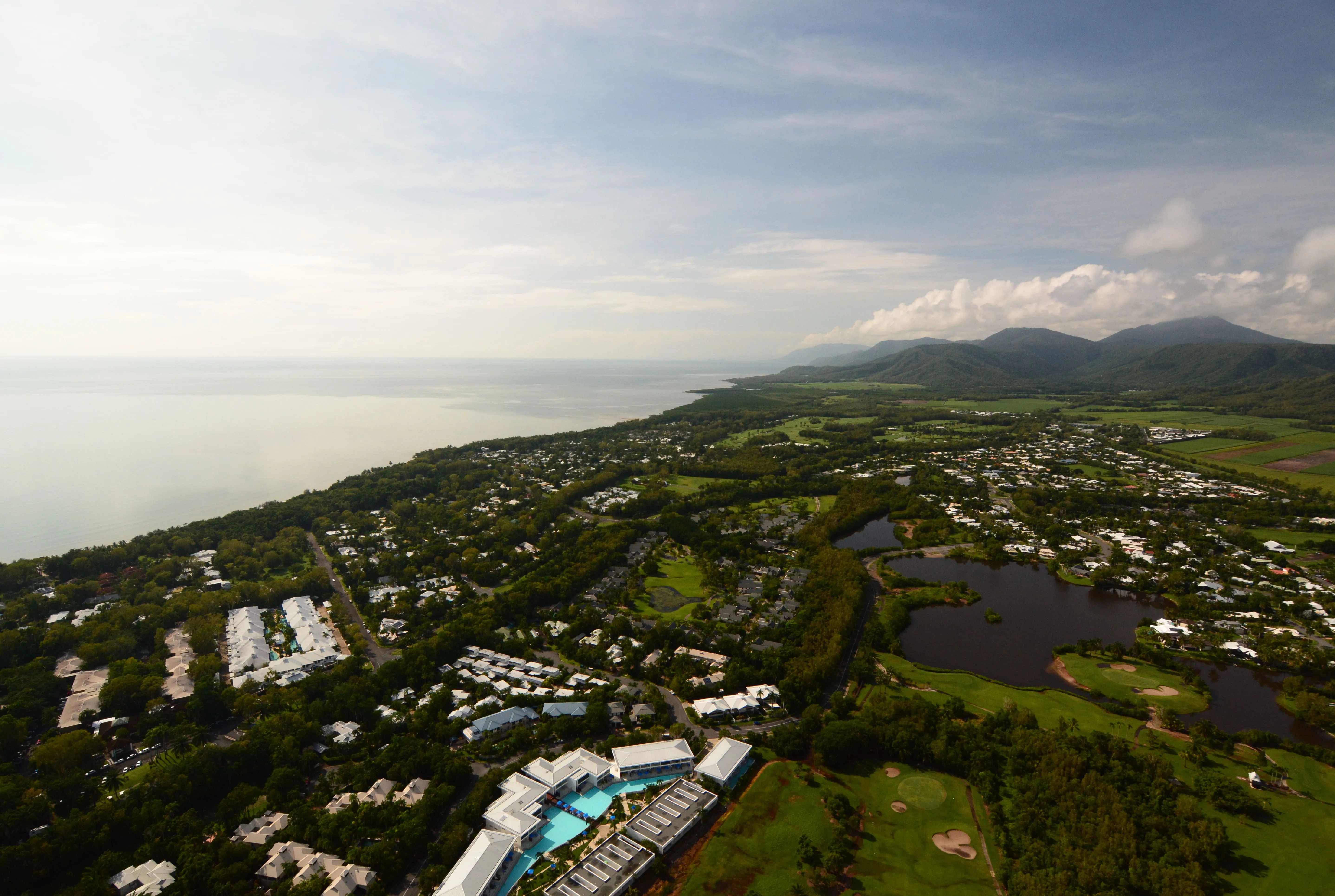
Safety perceptions have also improved, with the country maintaining consistent travel advisory levels while enhancing tourist police presence in popular areas. The Dominican Republic's diverse offerings—from luxury resorts to eco-tourism adventures—cater to multiple traveler demographics simultaneously, ensuring broad market appeal. As travel experts note, the combination of accessibility, value, and variety has positioned the country for sustained growth through 2026 and beyond.
Essential Entry Requirements for 2026 Travel
In welcome news for travelers, the Dominican Republic has extended its streamlined entry policy through December 31, 2026. According to VisasNews, tourists from several countries—including the United States, Canada, and European nations—can now enter with passports valid for the duration of their stay, rather than the traditional six-month validity requirement. This flexibility eliminates a common travel hurdle and simplifies last-minute vacation planning.

Key documents required for entry include a valid passport (with the new flexibility), a tourist card (often included in airline tickets), and proof of return or onward travel. While no mandatory vaccinations are required for U.S. travelers, the CDC recommends routine immunizations and considers hepatitis A and typhoid protection. Travel insurance, though not mandatory, is highly recommended to cover medical emergencies, trip cancellations, or lost luggage—especially given the active hurricane season from June through November.
The Best Time to Visit: Seasons and Weather Guide
The Dominican Republic enjoys a tropical climate year-round, but timing your visit can significantly impact your experience. The dry season from December to April offers the most reliable weather with plenty of sunshine, calm seas, and ideal conditions for beach activities and outdoor exploration. This peak period coincides with North American winter, making it particularly popular for snowbirds seeking warmth.
May through June represents the early wet season, featuring fewer crowds, lower prices, and generally pleasant mornings with occasional afternoon showers. July to September brings hotter temperatures and higher humidity, with increased potential for tropical storms. The late wet season (October-November) offers transitional weather with good accommodation deals but requires flexibility for rain interruptions. For first-time visitors, the dry season provides the most predictable experience, while shoulder seasons offer value for more adaptable travelers.
Top Destinations You Can't Miss
The Dominican Republic's diverse regions each offer unique experiences that contribute to its record-breaking appeal. Punta Cana remains the undisputed tourism hub, famous for its expansive resort complexes, championship golf courses, and pristine white-sand beaches. Santo Domingo's Colonial Zone, the oldest European settlement in the Americas, offers rich historical immersion with well-preserved architecture dating to the 1500s.

Samaná Peninsula attracts nature lovers with its spectacular whale watching (January-March), lush landscapes, and stunning waterfalls like El Limón. Puerto Plata combines mountain scenery with coastal charm, featuring the iconic Mount Isabel de Torres cable car and the Amber Museum. For adventure seekers, Cabarete serves as the windsurfing and kiteboarding capital of the Caribbean, while Las Terrenas offers a sophisticated blend of European flair and Dominican authenticity.
Getting Around: Transportation Tips
Navigating the Dominican Republic requires understanding local transportation options. Public buses ("guaguas") provide the most affordable way to travel between towns and cities, with reliable routes connecting major tourist areas. For short distances within towns, motoconchos (motorcycle taxis) offer convenience but require price negotiation upfront and caution regarding safety gear.
Car rentals provide maximum flexibility, with rates typically ranging from $35-$60 daily plus fuel. However, driving presents challenges including local traffic customs, occasional poor road conditions in rural areas, and limited nighttime lighting. Private transfers and taxis offer comfort at higher prices, ideal for groups or those with extensive luggage. For budget-conscious travelers, shared vans ("conchos") provide a middle ground between buses and private transportation.
Safety and Practical Advice for Travelers
The U.S. Department of State maintains a Level 2 travel advisory for the Dominican Republic, recommending travelers "exercise increased caution" due to crime. While violent crime generally doesn't target tourists, petty theft and pickpocketing can occur in crowded areas. Practical safety measures include using ATMs inside banks or shopping centers, securing valuables in hotel safes, arranging trusted transportation for nighttime travel, and staying aware of surroundings in unfamiliar areas.
Health considerations include drinking bottled water only, applying high-SPF sunscreen regularly, and taking precautions against mosquito bites in certain regions. Learning basic Spanish phrases enhances interactions with locals, while respecting cultural customs ensures positive experiences. The Dominican Republic's tourist police ("Politur") provide additional security in popular areas, with dedicated units in major resorts and attractions.
What to Pack for Your Dominican Republic Trip
Packing strategically enhances your Dominican Republic experience. Essentials include lightweight, breathable clothing for tropical temperatures, multiple swimsuits for frequent beach visits, and reef-safe sunscreen with high SPF protection. Comfortable walking shoes prove invaluable for exploring historical sites and natural attractions, while water shoes protect feet during waterfall visits and water activities.
Travelers should include a light rain jacket or umbrella for unexpected showers, particularly during wet season months. Electronic essentials include voltage adapters (the Dominican Republic uses 110V, same as the U.S.), portable chargers, and waterproof cases for phones during water activities. A small first-aid kit with bandages, antiseptic, and motion sickness medication prepares you for minor incidents, while photocopies of important documents stored separately from originals provide backup security.
The Future of Dominican Republic Tourism
With 2025's record-breaking performance setting a new benchmark, the Dominican Republic's tourism sector shows no signs of slowing down. Industry analysts predict continued growth through 2026, driven by expanded air connectivity, new hotel developments, and sustained marketing efforts in key source markets. The country's focus on sustainable tourism development aims to balance economic benefits with environmental protection and community engagement.
Emerging trends include increased interest in experiential travel beyond all-inclusive resorts, with growing demand for cultural immersion, eco-tourism adventures, and wellness retreats. Digital nomad programs and extended-stay options cater to remote workers seeking tropical bases, while improved infrastructure in secondary destinations spreads tourism benefits beyond traditional hotspots. As global travel patterns evolve, the Dominican Republic's combination of accessibility, value, and diversity positions it for ongoing success in the competitive Caribbean market.
Key Takeaways for Your 2026 Trip
The Dominican Republic's record-breaking 2025 tourism numbers reflect its strengthened position as the Caribbean's premier destination. Travelers planning 2026 visits benefit from extended passport flexibility, diverse regional experiences, and improved infrastructure. By visiting during the dry season (December-April), securing comprehensive travel insurance, and balancing resort relaxation with cultural exploration, you can experience why millions choose this Caribbean gem annually.
With proper preparation regarding safety, transportation, and packing, your Dominican Republic adventure promises unforgettable memories. Whether seeking beachfront luxury in Punta Cana, historical discovery in Santo Domingo, or natural wonders in Samaná, the country's record-setting popularity stems from its ability to deliver exceptional value across diverse travel preferences. As tourism continues to evolve, the Dominican Republic remains committed to welcoming visitors with the warm hospitality that has become its trademark, ensuring your 2026 journey contributes to the next chapter of its remarkable tourism story.