
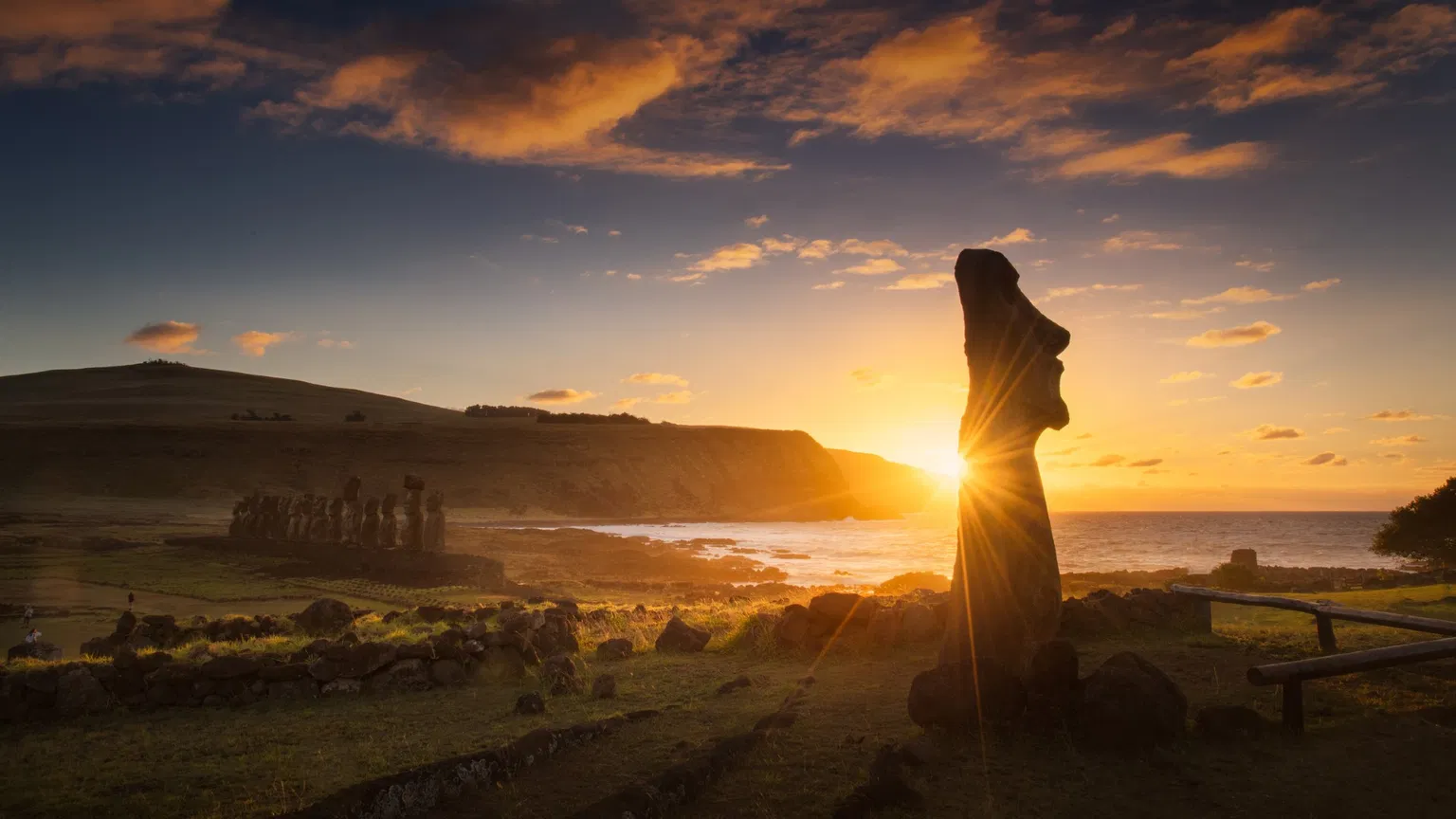
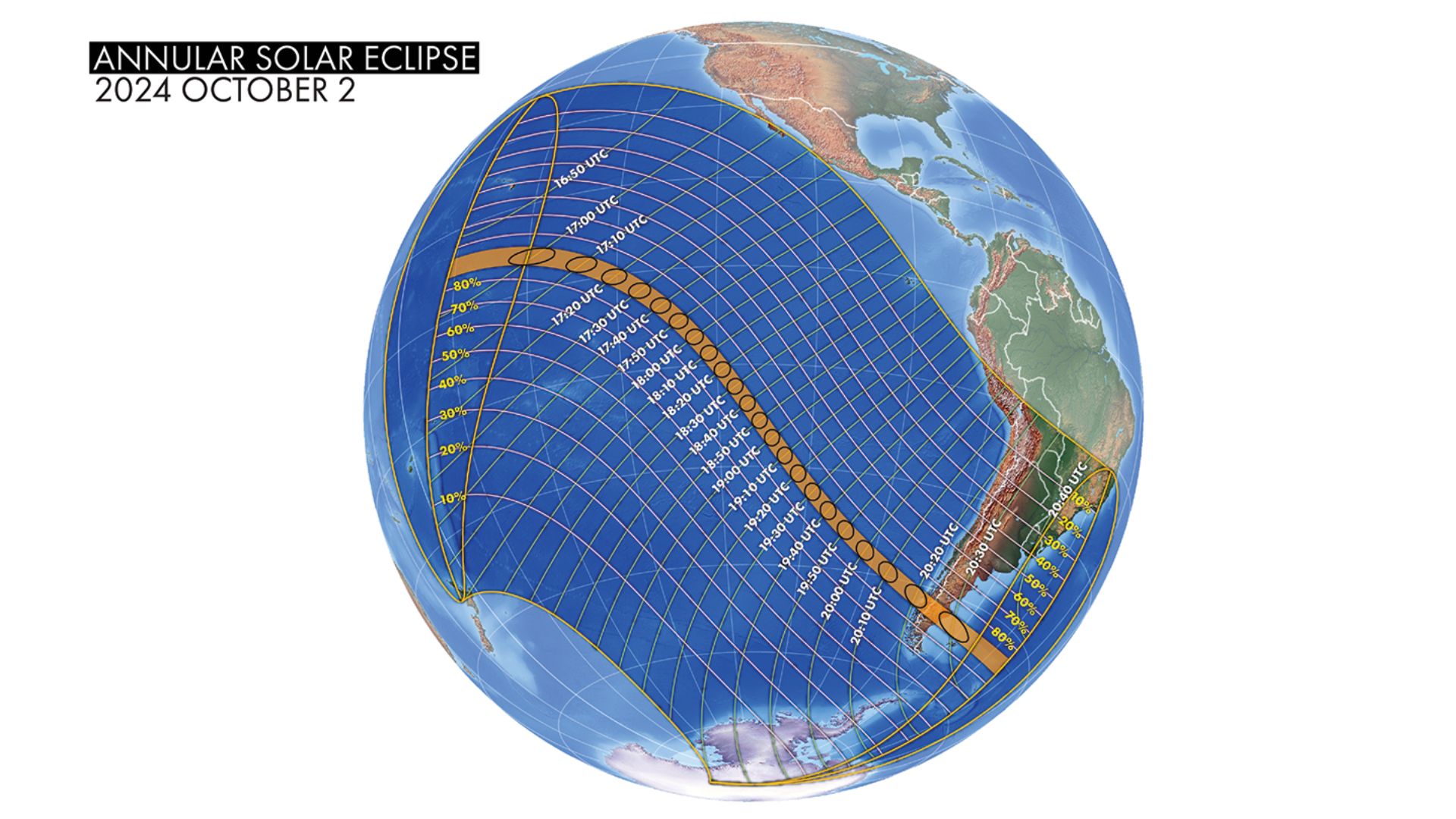
Thousands of skywatchers gathered on one of the world's most remote islands on October 2, 2024, as an annular solar eclipse created a spectacular "ring of fire" over Easter Island's iconic moai statues. This celestial event highlighted both the island's enduring mystique and its growing popularity as a travel destination, with tourism numbers surging from 22,000 visitors in 2003 to 100,000 in 2024. Yet beneath the surface of this tourism boom lies a complex story of cultural preservation, environmental concerns, and new research challenging long-held narratives about this UNESCO World Heritage Site.
How the Eclipse Illuminated Easter Island's Tourism Transformation
"The ring of fire is a once-in-a-lifetime experience," Rocio Garcia, a tourist on Easter Island told Reuters during the October 2024 eclipse. "Especially here in Rapa Nui with the Moai in the background it will be spectacular." The eclipse drew international attention to this remote Chilean territory, but it's just one part of a larger transformation. According to Space.com, tourism has increased nearly fivefold in two decades, with the island now welcoming 100,000 visitors annually despite its extreme isolation—3,700 kilometers west of mainland Chile.

This surge hasn't come without controversy. In 2021, 67% of Rapa Nui residents voted against immediately reopening to tourists after COVID-19 restrictions, reflecting deep concerns about overtourism's impact on their fragile ecosystem and indigenous culture. The island's hospital in Hanga Roa lacks an intensive care unit, making pandemic management particularly challenging. Yet with LATAM Airlines now operating up to three daily flights from Santiago in high season, accessibility has never been greater for determined travelers.
Timeline: From Ancient Civilization to Modern Travel Destination
The story of Easter Island spans centuries of dramatic change. Polynesian explorers first arrived around 1200 AD, developing the remarkable moai-carving culture that would define the island. European contact began on Easter Sunday 1722 when Dutch explorer Jacob Roggeveen gave the island its English name. The 19th century brought devastating slave raids and introduced diseases that nearly exterminated the Rapa Nui population.
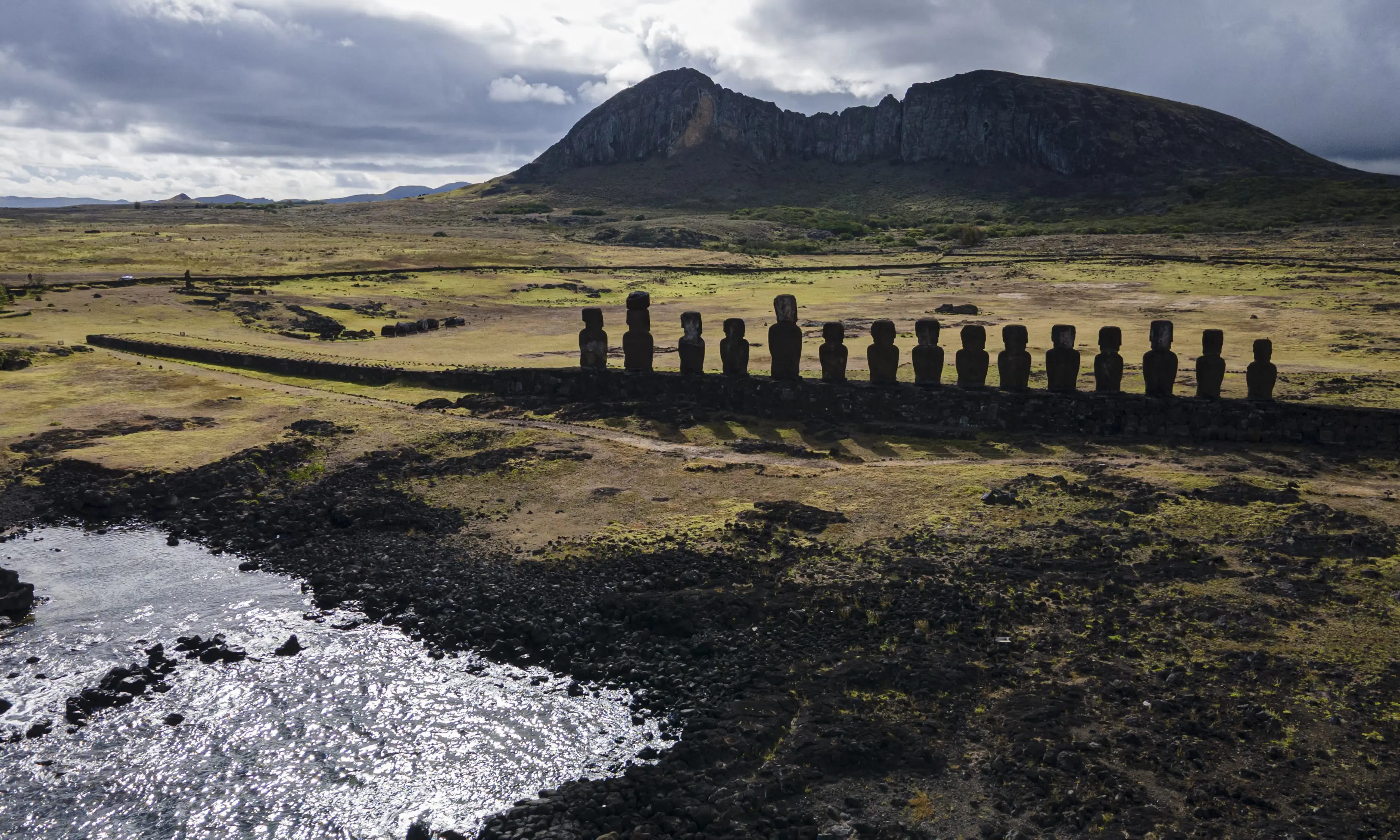
Modern tourism began in earnest after Mataveri Airport opened in 1967, but really accelerated in the 21st century. Key milestones include UNESCO World Heritage designation in 1995, the controversial 2011 decision to allow longer tourist stays, and the pandemic-era restrictions that prompted the 2021 referendum. The October 2024 solar eclipse represents the latest chapter, drawing eclipse chasers willing to make the long journey for a six-minute astronomical spectacle.
Why New Research Changes Everything We Thought About Easter Island
For decades, Easter Island served as a cautionary tale of "ecocide"—a society that supposedly collapsed after recklessly destroying its environment. But groundbreaking research published in Science Advances in June 2024 turns this narrative on its head. Using high-resolution satellite imagery and machine learning, scientists found that only 0.76 square kilometers of land was used for rock gardening, suggesting the island could only support 3,900 people at most.
"Our study confirms that the island couldn't have supported more than a few thousand people," said Dr. Dylan Davis, a co-author from Columbia University. "As such, contrary to the ecocide narrative, the population present at European arrival wasn't the remnants of Rapa Nui society, but was likely the society at its peak, living at levels that were sustainable on the island."
This research has profound implications for how we understand the island's history and its current carrying capacity. Rather than a story of ecological collapse, Easter Island emerges as a case study in sustainable living under extreme constraints—a perspective that resonates with current debates about tourism limits and environmental preservation.
Where Things Stand Now: Balancing Tourism and Preservation
Today, approximately 7,000 people live on Easter Island, facing the complex challenge of managing tourism growth while protecting their cultural heritage. The Rapa Nui National Park, which covers most of the island, requires a $99 USD entrance fee that funds conservation efforts. Visitors must show proof of accommodation, return tickets, and are limited to 30-day stays—measures designed to prevent population pressure and environmental degradation.
"The island and its people are notoriously closed to foreigners," notes travel expert Steph Dyson in her Worldly Adventurer guide. "However, most guides are very welcoming and really happy to talk if you show interest in the Rapa Nui culture." This highlights the delicate balance between sharing cultural heritage and protecting it from becoming merely a tourist commodity.
Infrastructure has struggled to keep pace with visitor numbers. While Hanga Roa offers hotels, restaurants, and tour operators, resources like freshwater and waste management face increasing strain. The solar eclipse event tested these systems, with thousands of additional visitors arriving for the brief astronomical window.
What Happens Next: The Future of Travel to Rapa Nui
The path forward for Easter Island tourism involves difficult choices about sustainability versus economic opportunity. Chilean authorities continue to evaluate the 30-day stay limit and other restrictions, while local leaders advocate for greater autonomy in managing tourism. Conservation efforts focus on protecting archaeological sites from erosion and vandalism, with some areas now requiring certified guides.
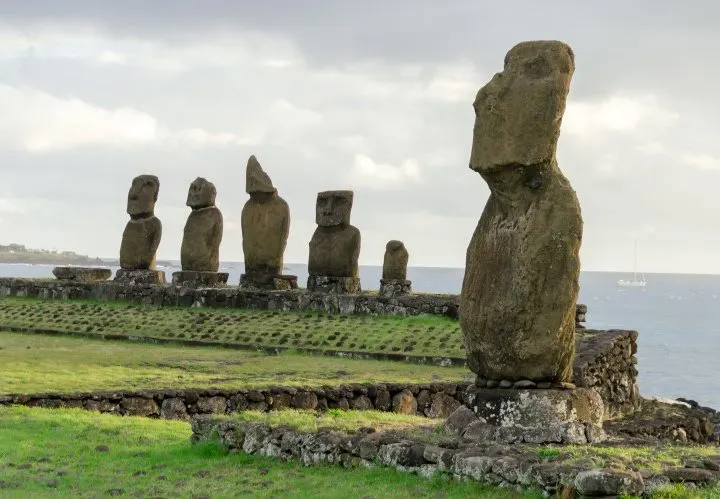
Climate change presents another challenge, with rising sea levels threatening coastal archaeological sites. Meanwhile, researchers continue to uncover new aspects of Rapa Nui history using technologies like lidar and ground-penetrating radar, potentially rewriting our understanding of how the moai were transported and erected.
For travelers, the future likely holds higher costs but better-managed experiences. Expect more regulated access to sensitive sites, increased emphasis on cultural education, and potentially even daily visitor caps similar to those implemented at Machu Picchu and other fragile World Heritage Sites.
The Bottom Line: Key Takeaways for Modern Travelers
Easter Island remains one of travel's great adventures, but requires more planning than typical destinations. Book flights well in advance through LATAM's Chilean website for better prices, and secure accommodations early—especially during events like eclipses or the Tapati Rapa Nui festival in February. Respect local customs by not touching the moai, hiring Rapa Nui guides when possible, and being mindful of limited resources.
Most importantly, approach Easter Island not just as a photo opportunity, but as a living culture with a complex history that continues to evolve. The same resilience that allowed the Rapa Nui people to thrive in one of Earth's most isolated environments now guides their navigation of 21st-century tourism pressures. Your visit contributes to this ongoing story—make it one of respect, curiosity, and genuine engagement with one of humanity's most remarkable cultural achievements.