
Greenland, the world's largest island, has surged into the global spotlight this year — and while the headlines often focus on politics, for travelers the real story is a spectacular Arctic destination unlike anywhere else on the planet. An autonomous territory within the Kingdom of Denmark that sprawls across the frozen North Atlantic, Greenland pairs colossal icebergs and shimmering ice fjords with deep Inuit culture, husky sledding, and some of the clearest Northern Lights displays on Earth.
If you have ever dreamed of kayaking among icebergs or watching the midnight sun circle the horizon without setting, this is the moment to start planning. With expanded international flight routes and a growing appetite for off-the-beaten-path adventure, Greenland is more accessible than ever — yet it still feels like the edge of the world. Here is everything you need to know about traveling to Greenland.
Why Greenland Is the Arctic's Ultimate Travel Destination
Greenland spans roughly 2.17 million square kilometers, yet it is home to fewer than 60,000 people, making it the least densely populated territory on the planet. Around 80 percent of its surface lies beneath the Greenland Ice Sheet — the second-largest body of ice in the world after Antarctica — while its ice-free coastline is dotted with colorful fishing towns and deep fjords. Visit Greenland, the country's official tourism board, describes the destination as a place to explore outdoor and nature experiences, cultural activities, hunting and fishing, coastal sailing, and cruising. Lonely Planet captures the appeal in similar terms, inviting travelers to experience Greenland's Arctic wonders through ice fjords, Northern Lights, dog sledding, Inuit culture, and kayaking among icebergs.
What makes Greenland so singular is the sheer scale of its landscapes. Icebergs the size of city blocks drift silently through bays, glaciers calve into the sea with a thunderous crack, and in winter the aurora borealis dances overhead for hours at a time. This is raw, untamed nature on a scale that feels almost prehistoric — a place where the journey itself, whether by boat, small plane, or dogsled, becomes part of the adventure.
Ilulissat, Nuuk and Beyond: Where to Go in Greenland
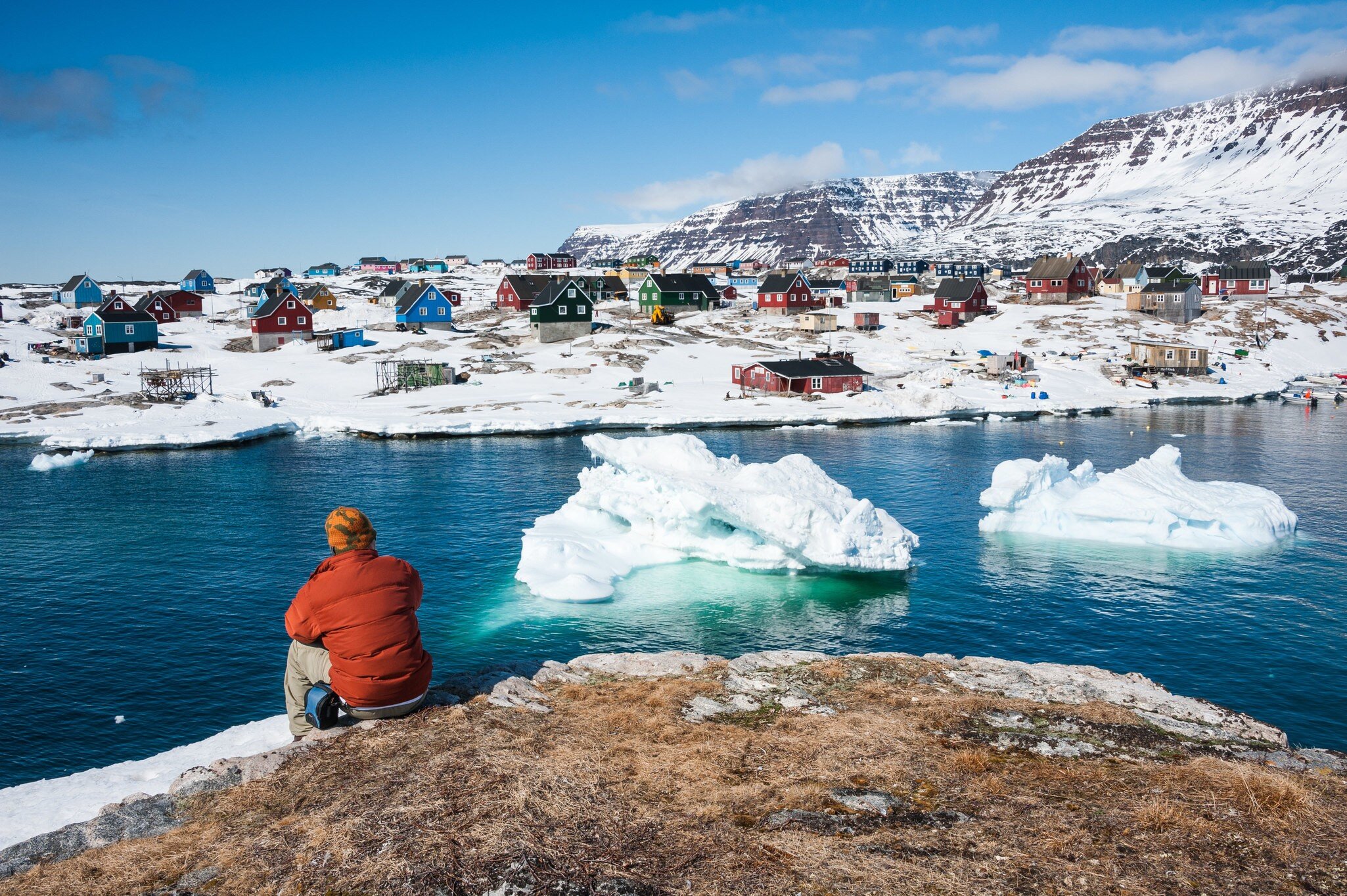
The gateway to Greenland's wild heart is Ilulissat, a small town on the west coast whose name simply means "icebergs" in the Greenlandic language. It sits at the mouth of the Ilulissat Icefjord, a UNESCO World Heritage Site where the Sermeq Kujalleq glacier — one of the most active in the world — calves enormous volumes of ice into the sea. The result is a bay crowded with towering icebergs that drift slowly past the town's brightly painted houses, creating one of the most photographed scenes in the Arctic.
Further south, Nuuk, the capital and largest city, blends a growing food, art, and music scene with easy access to fjords and backcountry hiking, offering a gentler introduction to Greenlandic life. Disko Bay and its volcanic island are prized for whale watching and dramatic basalt cliffs, while Kangerlussuaq serves as a key inland hub and a reliable base for Northern Lights viewing. East Greenland, around Tasiilaq, rewards intrepid travelers with rugged mountains and towering icebergs, and South Greenland's sheep farms and Norse ruins offer a greener, more pastoral contrast. Because no roads connect Greenland's towns, visitors hop between them by boat, plane, or helicopter — which only deepens the feeling of remote, untamed wilderness.
When to Go: Chasing the Northern Lights and Midnight Sun
Greenland offers two dramatically different travel seasons, and the best time to visit depends entirely on what you want to see. From September through April, long polar nights create prime conditions for the aurora borealis. The Northern Lights ripple across the sky in shades of green, pink, and violet, with Kangerlussuaq and Ilulissat among the most reliable viewing bases. From late May through July, the sun never fully sets above the Arctic Circle, bathing the landscape in the surreal glow of the midnight sun and unlocking long days for hiking, sailing, and glacier excursions.
Summer, from June to August, is the most popular window, with milder temperatures, navigable fjords, and whale watching at its peak. Spring is the time for dog sledding on reliable snow, while autumn and early winter offer fewer crowds and the return of the aurora. Whenever you go, expect unpredictable Arctic weather — and come prepared to be flexible with your plans.
What to Do: Dog Sledding, Kayaking and Whale Watching
Dog sledding is woven into Greenlandic life, and gliding across a frozen fjord behind a team of huskies remains one of the country's most authentic experiences. Kayaking is equally rooted in heritage — the kayak itself is an Inuit invention — and paddling among the icebergs of Ilulissat or the calm waters of South Greenland is a genuine bucket-list adventure. Offshore, humpback, minke, and fin whales feed through the summer months, making boat tours a highlight of any coastal visit.
On land, hikers can tackle sections of the Arctic Circle Trail, a long-distance route linking Kangerlussuaq and Sisimiut across wild tundra, while fishing and hunting excursions offer a window into traditional subsistence culture. Wherever your interests lie, local guides and tour operators are essential — both for safety in a demanding environment and for a deeper understanding of Greenlandic traditions, food, and storytelling.
How to Plan Your Greenland Trip: Flights, Costs and Practical Tips
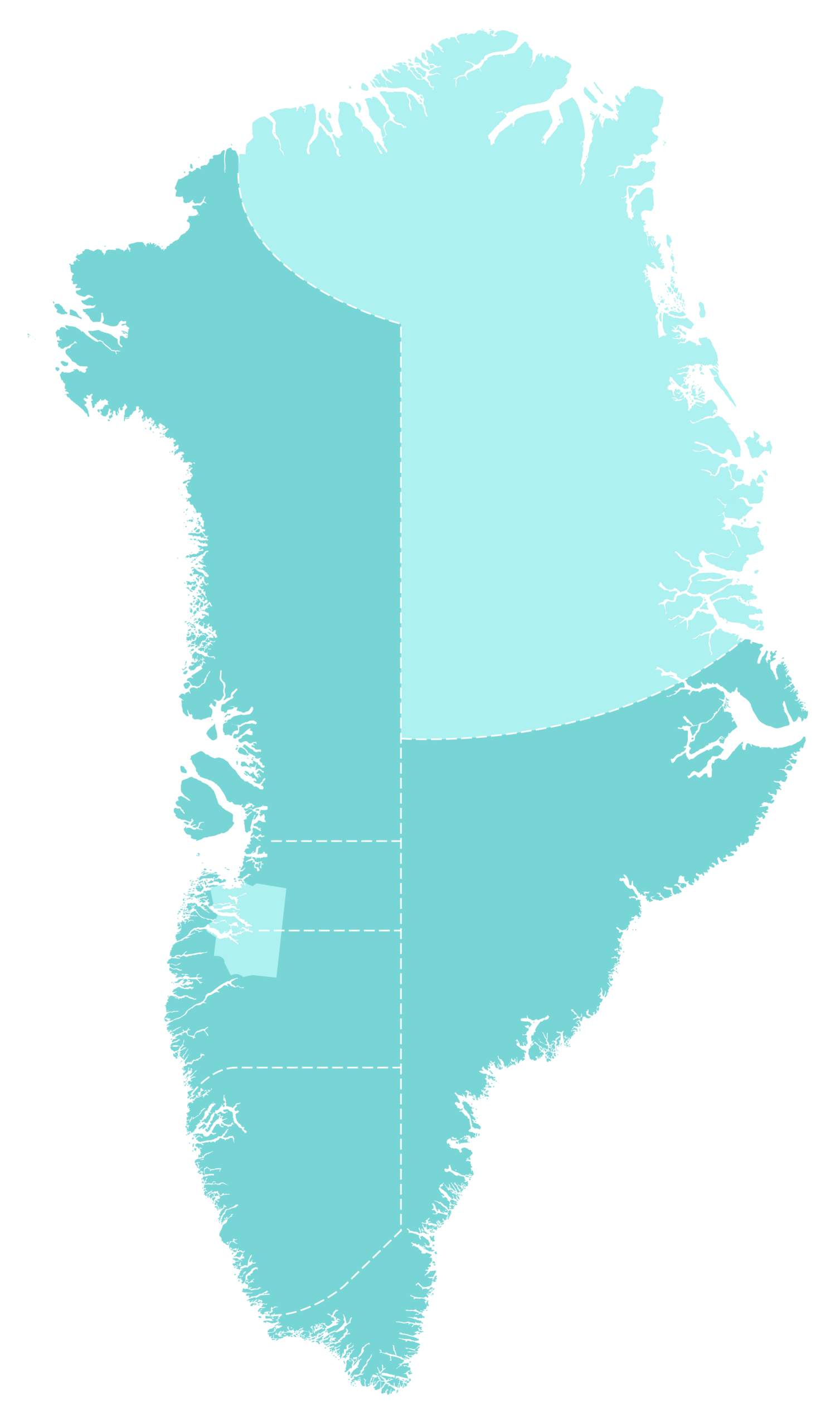
Reaching Greenland is easier than many travelers assume, but it requires planning. Most international visitors fly in via Copenhagen, Denmark, or Reykjavik, Iceland, landing at hubs such as Kangerlussuaq or Nuuk, whose expanded international airport has added new direct routes in recent years. Once there, domestic flights, ferries, and helicopter transfers connect the coastal towns. Book well ahead, especially for summer, as capacity is limited and flights sell out quickly.
Greenland is not a budget destination. Accommodation, food, and excursions are priced higher than in most of Europe, and remote logistics add up fast, so factor in a generous budget and prioritize a few unforgettable experiences over trying to see everything. Pack in layers, bring sturdy waterproof boots, and respect the fragile Arctic environment. Above all, travel slowly: Greenland rewards those who linger long enough to watch an iceberg drift by or wait for the sky to light up in green.
The Bottom Line: Key Takeaways for Your Greenland Adventure
- Greenland is the world's largest island, an autonomous territory of Denmark, with around 80 percent of its land covered by ice.
- Signature experiences include the Ilulissat Icefjord (a UNESCO site), the Northern Lights, dog sledding, and kayaking among icebergs.
- Visit between September and April for the aurora, or May through July for the midnight sun and peak whale watching.
- Plan to travel by plane, boat, or helicopter between towns, and book flights and lodging well in advance.
- Budget generously, pack for extreme Arctic weather, and explore with local guides for a safe, authentic experience.