
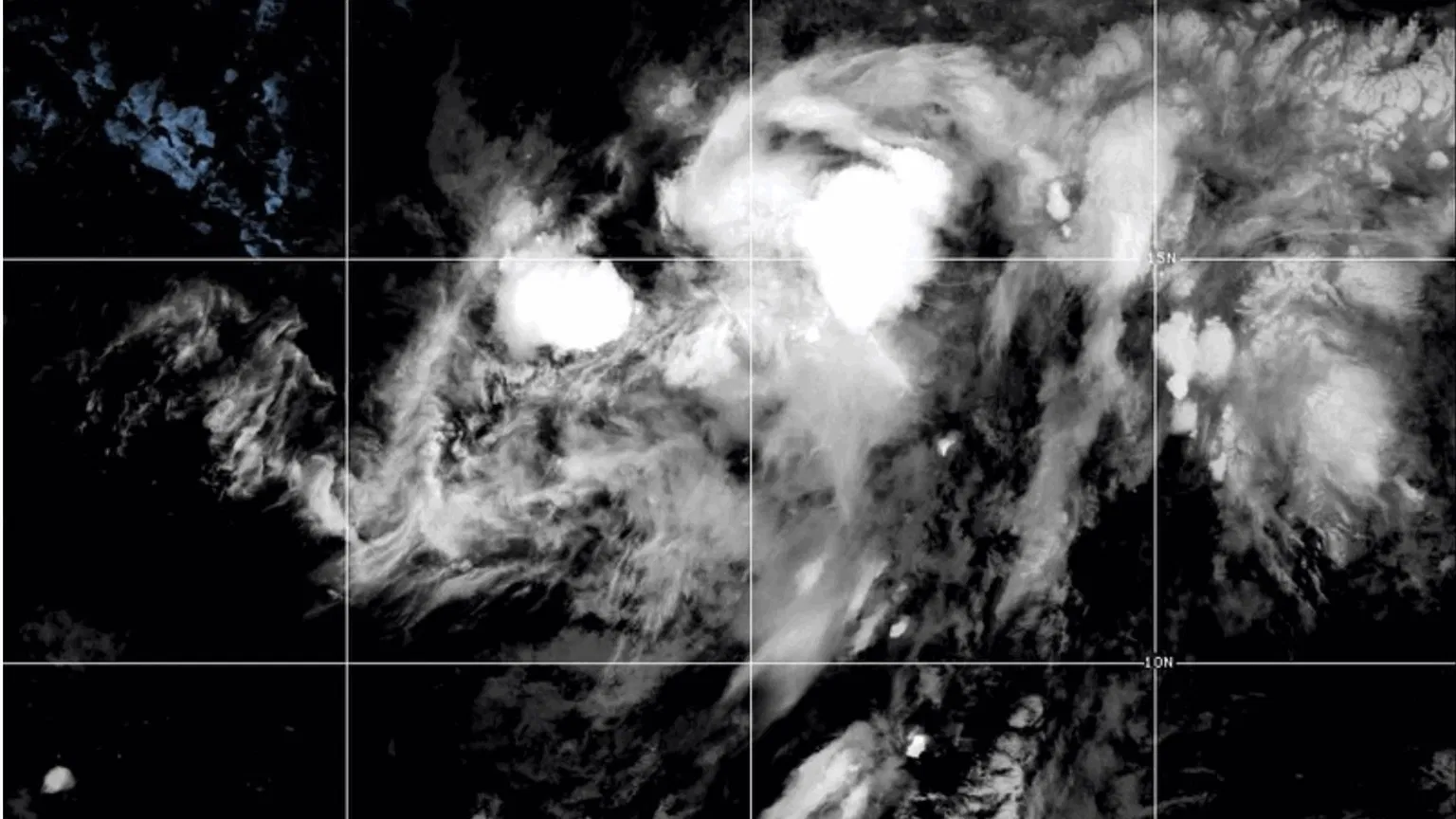
Hurricane Lala has weakened to a tropical storm and is now moving west, away from Hawaii, after sideswiping the Big Island with hurricane-force winds, torrential rain and dangerous flash floods that swept at least two homes off their foundations. Even though the storm never made a direct landfall, its impact on travel is still rippling across the islands, where hundreds of flights were canceled, more than 116,000 homes and businesses lost power, and state offices, public schools and courts were ordered closed on Monday.
For travelers, the message from the state's emergency management and tourism agencies is increasingly reassuring: conditions have peaked and are improving, and all of Hawaii's airports and commercial ports are open again. But the cleanup is only just beginning in the communities hit hardest by flooding and high surf.
How Hurricane Lala Sideswiped the Big Island
Lala made its closest approach to the Big Island late Saturday evening while still at hurricane strength, with its eyewall — the ring of powerful winds, thunderstorms and heavy rain encircling the storm's eye — brushing the island's southern tip. Forecasters with the Central Pacific Hurricane Center said the storm then turned and passed south of the smaller main Hawaiian Islands on Sunday without ever crossing onto land.
It is a distinction with enormous consequences. No hurricane has made a direct landfall in Hawaii since Iniki struck in 1992, and Lala's near-miss spared the state a far worse outcome. Still, the storm delivered a punishing combination of wind and water. Five locations recorded 35 inches or more of rain, with Kapalua in Maui County inundated by an extraordinary 48 inches. Howling winds whipped palm trees and turned normally calm waterways into fast-moving torrents of runoff.
The flooding proved dangerous on its own. Hawaii County Mayor Kimo Alameda said a search-and-rescue mission involving Civil Defense, the National Guard and the Coast Guard was launched after flash floods swept several occupied homes off their foundations in the coastal communities of Na'alehu and Wai'ohinu, near the island's southern tip. Two homes in Naalehu were washed away, and responders rescued an elderly woman from one of them.
“What makes this very challenging is that there's rushing water, there's debris and there's boulders on the road and it's dark,” Alameda said.
Timeline: From Hurricane Lala to Tropical Storm
The storm's rapid arc through the Central Pacific unfolded over less than a week. The National Hurricane Center issued its first advisory on Lala on Wednesday, Aug. 12, 2026, and the system strengthened into a hurricane as it approached Hawaii. Here's how the weekend played out:
- Saturday, Aug. 15–16: Lala reaches the Big Island's southern coast at hurricane strength, with winds near 80 mph, and its eyewall grazes the island's southern edge. About 190 flights are paused or canceled statewide.
- Sunday, Aug. 16: The storm weakens to a tropical storm while passing south of the smaller islands. Hawaiian and Alaska Airlines report canceling roughly 120 flights, including 48 neighbor-island flights and 11 transpacific flights. Flash flooding sweeps homes off their foundations in the Big Island's Kau District.
- Sunday night: The Coast Guard reopens all of Hawaii's commercial ports, and all airports are open again, though some flights remain canceled or delayed.
- Monday, Aug. 17: State and county offices, public schools, charter schools and courts remain closed statewide. More than 116,000 customers are still without power early in the day.
Flights, Floods and Power Outages: Lala's Toll on Hawaii Travel
For visitors, the most visible disruption came at the airport. Hawaiian Airlines reported 52 cancellations statewide on Sunday, on top of roughly 190 flights that were paused or canceled on Saturday. Alaska Airlines and Hawaiian Airlines together proactively axed dozens of neighbor-island and transpacific routes as the storm closed in. By Sunday night, all of Hawaii's airports had reopened, but transportation officials warned that delays and residual cancellations would continue into the week.
On the ground, Honolulu EMS transported more than 200 people to hospitals, and at least three hospitals were running on generator power. Gov. Josh Green, a physician, said damage to roads and several small bridges was making some areas difficult to reach, while downed trees and power lines littered the Big Island. About 240 Hawaii National Guard members were deployed to assist with the emergency response.
At least one person was killed in a car crash near the southernmost point of the Big Island, Green said Sunday, though officials had not confirmed whether the death was storm-related. “Everyone is safe and healthy,” Green said. “But boy, a lot of work ahead.”
Where Things Stand Now in Hawaii
The latest National Hurricane Center advisory, issued at 11 p.m. Sunday in Hawaii, placed Lala about 305 miles west of Honolulu with maximum sustained winds of 60 mph and a westward track of about 13 mph. All hurricane warnings and watches have been discontinued, and no coastal watches or warnings remain in effect for the main Hawaiian Islands.
That said, the storm is not finished with Hawaii yet. Forecasters said an additional one to three inches of rain is possible from Maui to Kauai County, which could trigger localized flooding and mudslides, particularly in steep terrain. Large swells generated by Lala will continue to subside from east to west through Monday, but dangerous, life-threatening surf is expected to linger. The Hawaii Emergency Management Agency urged residents and visitors to “please stay indoors and off the roads.”
On the travel front, the Coast Guard reopened all commercial ports Sunday night, a key step for resuming inter-island freight and cruise operations. “While all commercial ports across the state are open to vessel traffic, our priority remains supporting post-storm recovery efforts and ensuring the safety of our maritime community,” said Cmdr. Jeffrey Padilla. “We urge mariners and the public to exercise caution.”
What's Next for Lala and Hawaii Travel
Forecasters expect Lala to drift westward over the open Pacific and slowly regroup. The National Hurricane Center said the storm is likely to regain hurricane strength by Wednesday — but well away from Hawaii, where it no longer poses a direct threat to the islands.
For travelers, that means the worst is over. Airlines are working through a backlog of rebooked passengers, and full operations are expected to resume quickly as the skies clear. Anyone with a trip to Hawaii in the coming days should still confirm flight status directly with their airline, allow extra time for lingering delays, and check with hotels and tour operators in Maui and Kauai counties, where flood watches and cleanup efforts continue.
The Bottom Line: Key Takeaways for Travelers
- Hurricane Lala weakened to a tropical storm and is moving away from Hawaii after grazing the Big Island without making landfall.
- Roughly 190 flights were paused or canceled Saturday, with Hawaiian Airlines reporting 52 more cancellations Sunday; all airports have since reopened.
- More than 116,000 homes and businesses lost power, and at least two Big Island homes were swept away by flash flooding.
- State offices, public schools, charter schools and courts were closed Monday, Aug. 17.
- Forecasters expect Lala to re-strengthen into a hurricane over open Pacific waters by Wednesday, far from the islands.
- Travelers should confirm flights, expect residual delays, and avoid flooded or closed roads in Maui and Kauai counties.