
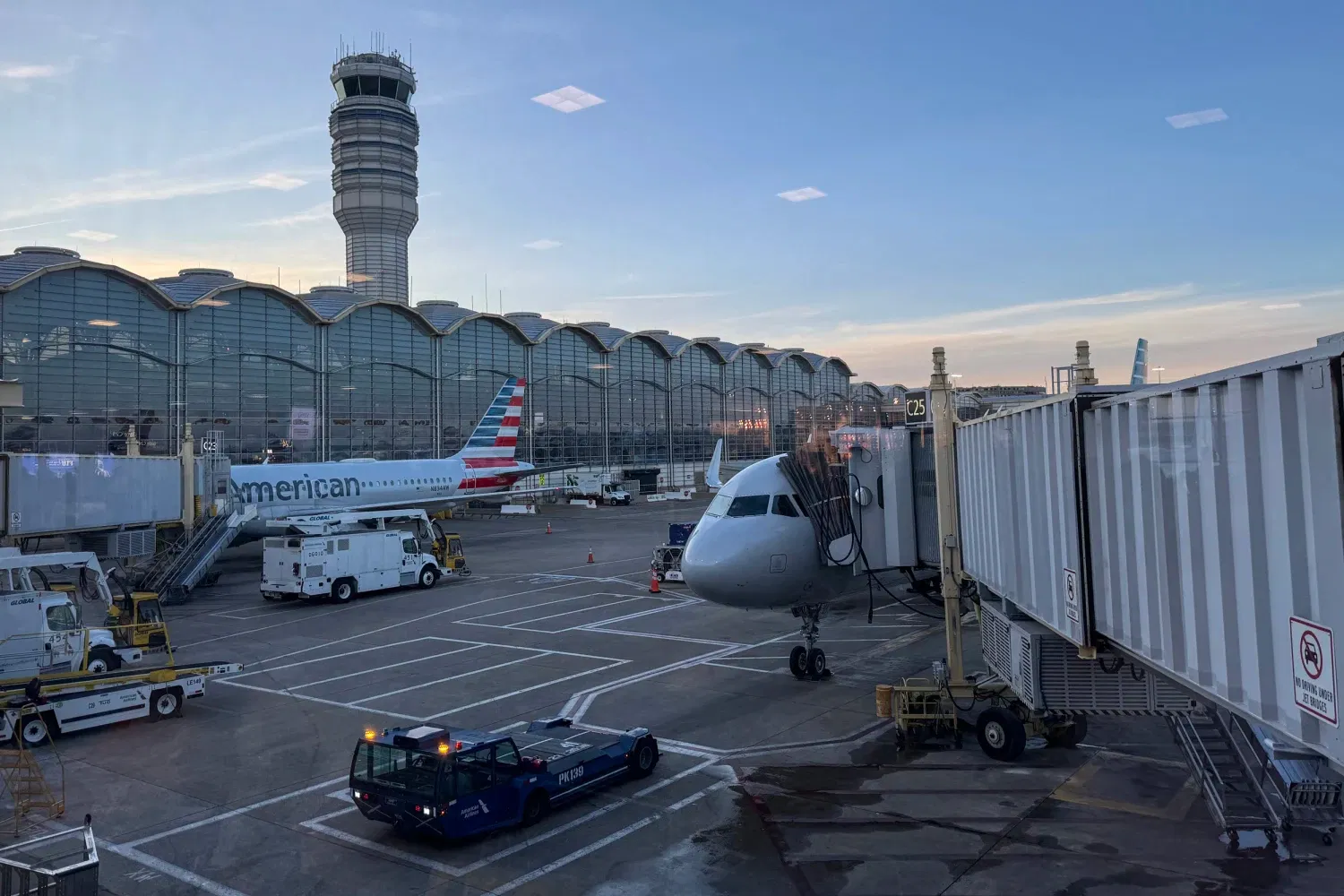
A strong chemical smell at a critical air traffic control facility brought travel to a halt at four major Washington, D.C.-area airports on Friday, March 13, 2026, stranding thousands of passengers and causing delays that stretched for hours. The incident, traced to an overheated circuit board at the Potomac Terminal Radar Approach Control (TRACON) facility, triggered a ground stop that affected Ronald Reagan Washington National Airport (DCA), Washington Dulles International Airport (IAD), Baltimore-Washington International Airport (BWI), and Richmond International Airport (RIC).
How a Faulty Circuit Board Grounded DC-Area Air Travel
The Federal Aviation Administration (FAA) issued ground stops for the four airports around 6:30 p.m. Friday after air traffic controllers at the Potomac TRACON in Warrenton, Virginia, reported a \"strong chemical smell\" that made it difficult to work. The FAA immediately halted all inbound and outbound traffic at the affected airports while firefighters and technicians investigated the source. \"The FAA has temporarily stopped traffic at Ronald Reagan Washington National Airport (DCA), Washington Dulles International Airport (IAD), and Baltimore-Washington International Airport (BWI) because of a strong chemical smell at the Potomac TRACON that is impacting some air traffic controllers,\" an FAA spokesperson told CBS News.

Transportation Secretary Sean Duffy took to social media to provide updates, assuring the public that there was no danger to controllers. \"The ground stop is over and operations have resumed,\" Duffy wrote on X. \"Firefighters from Fauquier County and Prince William County confirm there is no danger to air traffic controllers. The source of the strong odor was traced to a circuit board that overheated, and it was replaced.\" The ground stops were lifted by about 8 p.m., but the ripple effects continued long afterward.
Timeline: How the Airport Shutdown Unfolded
The crisis began shortly after 6 p.m. when the chemical odor was detected inside the Potomac TRACON building. By 6:30 p.m., the FAA had implemented a full ground stop at DCA, IAD, BWI, and RIC. For the next 90 minutes, no flights could take off or land at those airports, creating an instant backlog of hundreds of flights. At 7:45 p.m., the FAA downgraded the ground stop to a ground‑delay program, allowing operations to slowly resume. By 8 p.m., the ground stop was officially lifted, but average departure delays at Reagan National still reached 222 minutes, and BWI faced delays of more than 150 minutes, according to FAA data.
Why This Incident Matters for Travelers
While the immediate cause—an overheated circuit board—sounds like a minor technical glitch, the incident exposes how fragile the air‑travel system can be. A single piece of equipment in one facility can disrupt travel for tens of thousands of people across multiple states. \"They just keep delaying it,\" said Maggy Osha, a passenger trying to return to San Francisco. \"I don't know how long it will be delayed for…but it's super frustrating that now it's going to land at 3 a.m., so now I won't get any sleep.\"
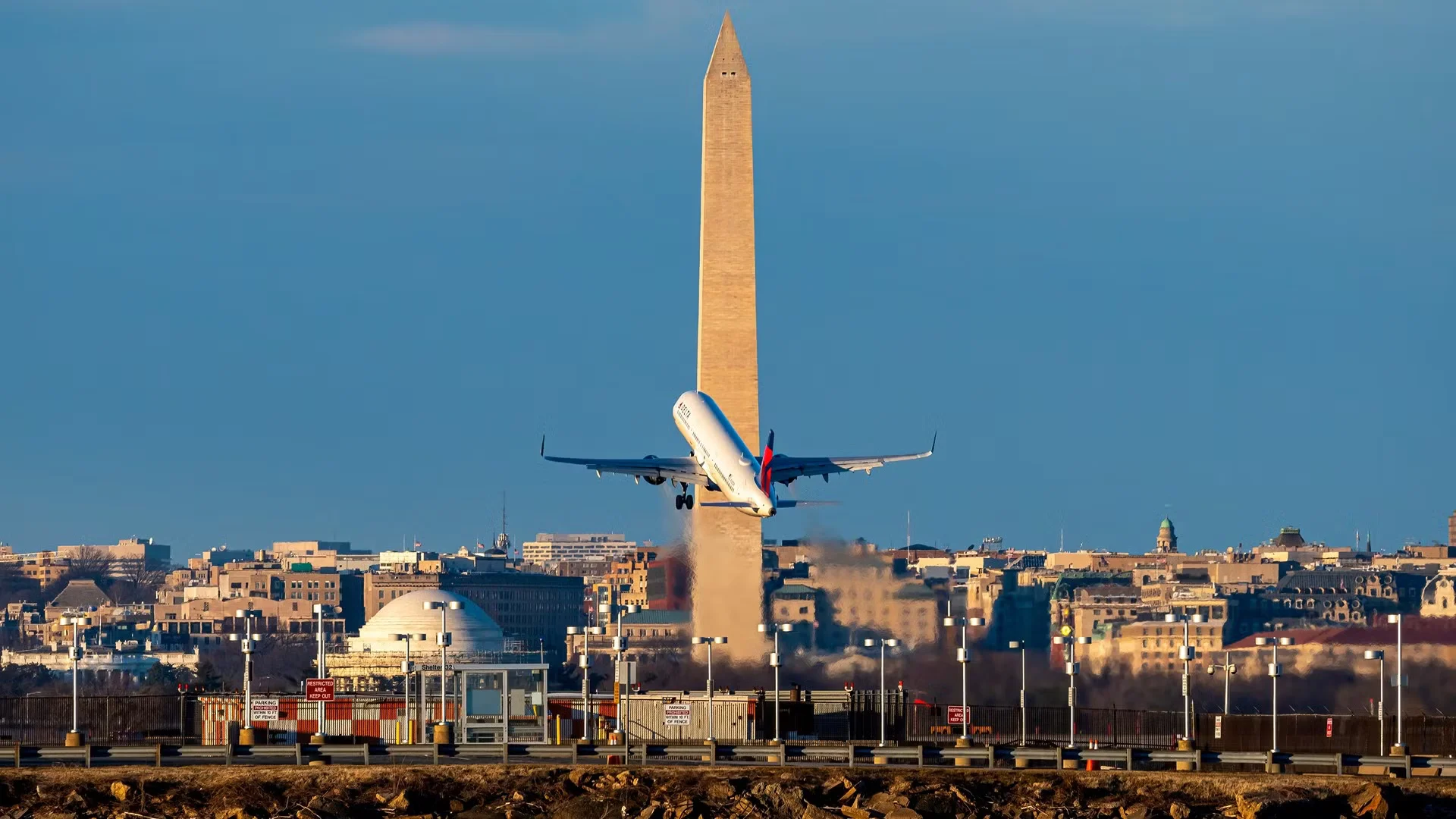
For travelers, the event is a reminder that even well‑run airports can be vulnerable to infrastructure failures. The Potomac TRACON handles all aircraft within roughly 30 to 50 miles of the Washington‑Baltimore region, making it a linchpin for the entire Northeast corridor. When it goes offline, the effects are immediate and widespread. Airlines did their best to recover, but \"expect residual delays this evening,\" BWI Airport warned on X.
Where Travel Stands Now
As of Saturday, March 14, normal operations have resumed at all four airports, though some airlines are still working through the backlog of delayed flights. Passengers who were affected are advised to check their flight status directly with their airline and to monitor the FAA’s website for real‑time delay information. The FAA has confirmed that the faulty circuit board was replaced and that no further odor issues have been reported. \"Airlines are once again resuming regular operations and preparing departures,\" BWI Airport announced.
What Happens Next: Preparing for Future Travel Disruptions
This incident highlights the importance of being prepared for unexpected travel disruptions. Experts recommend that travelers always purchase travel insurance that covers trip delays and cancellations, keep essential items in carry‑on luggage, and have a backup plan for critical connections. Additionally, signing up for airline alerts and having the airline’s app installed can provide real‑time updates when things go wrong. While the FAA and airport authorities continue to invest in infrastructure resilience, events like the Potomac TRACON outage remind us that travel plans can change in an instant.
The Bottom Line: Key Points to Remember
- A strong chemical smell caused by an overheated circuit board at the Potomac TRACON triggered a 1.5‑hour ground stop at four major DC‑area airports.
- Transportation Secretary Sean Duffy confirmed there was no danger to air traffic controllers and that the faulty component was replaced.
- Residual delays lasted for hours, with some flights delayed more than three hours.
- Travelers should always have a contingency plan, consider travel insurance, and stay informed through airline apps during disruptions.
The March 13 outage serves as a stark reminder of how interconnected modern air travel is—and why a little preparation can go a long way when the unexpected occurs.