
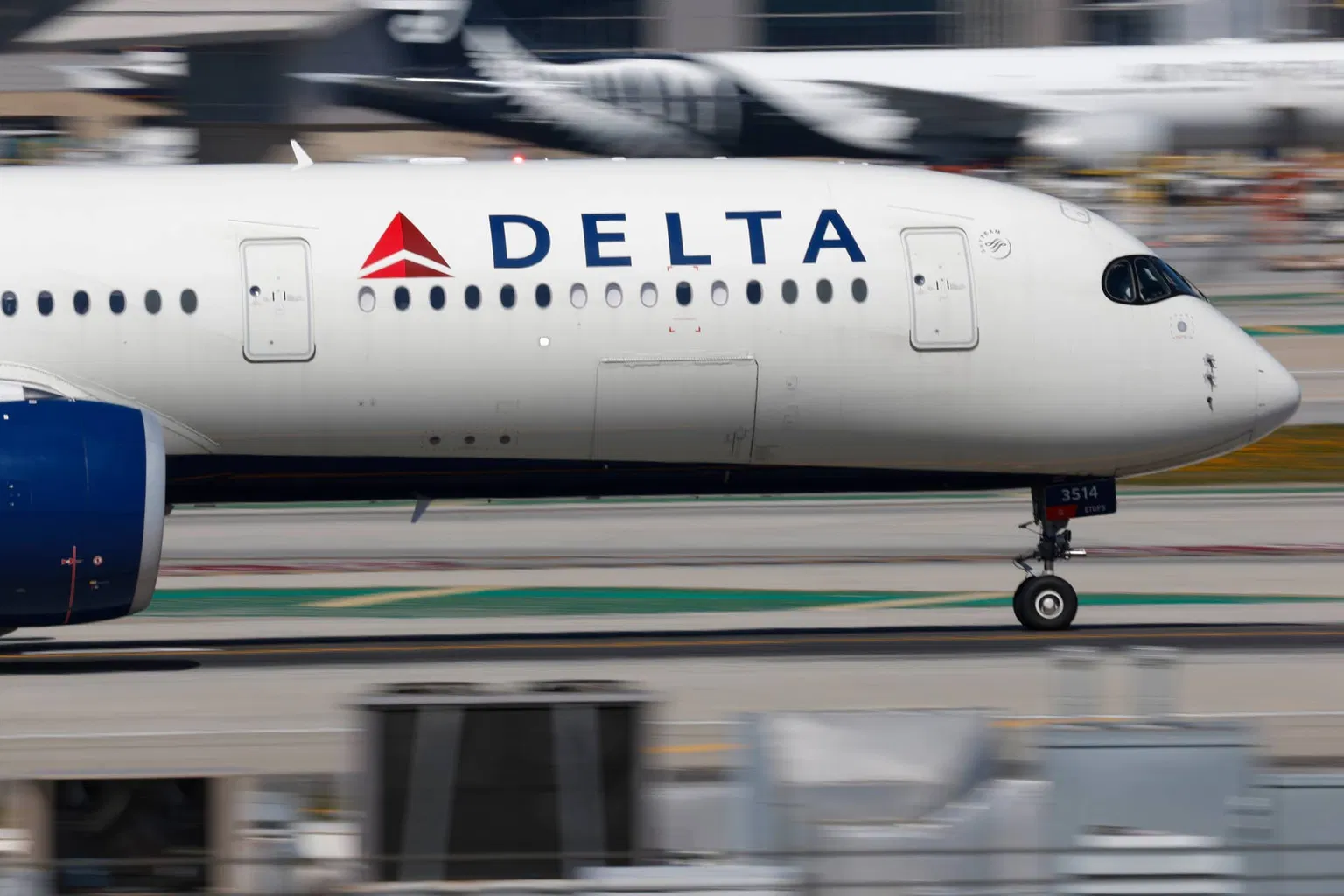
Delta Air Lines has canceled hundreds of flights over the first weekend of May 2026, stranding thousands of passengers and raising serious questions about the carrier's operational reliability. With executives warning the problems could persist throughout the summer, here's everything travelers need to know about the disruption and what it means for upcoming trips.
Inside the Meltdown: How Delta's Schedule Unraveled
The crisis began on Friday, May 2, when Delta canceled approximately 209 flights—roughly 4% of its scheduled operations. The situation worsened on Saturday, May 3, with an additional 219-plus flights scratched, representing about 7% of the day's schedule. By the end of the weekend, Delta had canceled nearly 500 flights and delayed more than 1,000 others, according to FlightAware data cited by USA Today and multiple other outlets.
To put the scale of the disruption in perspective, rival carriers American Airlines and United Airlines combined for just around 80 cancellations over the same period. The disparity immediately drew attention from industry analysts and travelers alike, with many questioning why Delta—long considered one of the most operationally reliable U.S. carriers—was struggling so significantly.
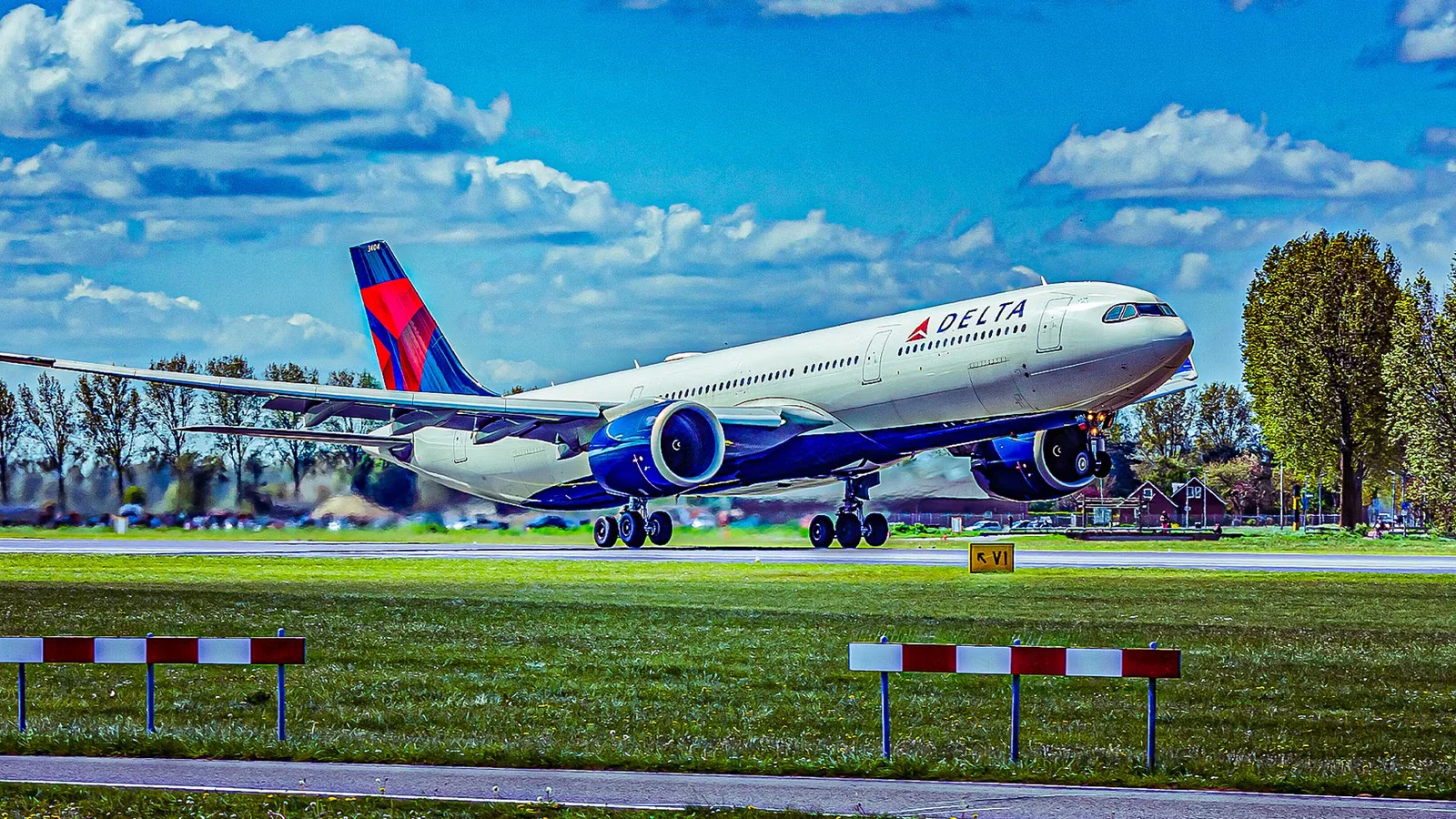
Timeline: The Weekend That Unraveled Delta's Operations
The operational breakdown unfolded rapidly over the first weekend of May:
Friday, May 2: Delta cancels roughly 209 flights (4% of schedule) due to what the airline initially calls "crew restrictions." Passengers begin reporting long hold times and limited rebooking options. Social media fills with complaints from stranded travelers at major hubs including Atlanta (ATL), New York (JFK/LGA), and Los Angeles (LAX).
Saturday, May 3: The situation deteriorates further as cancellation rates climb to 7% of Delta's schedule. More than 1,000 flights are delayed throughout the day. A frustrated passenger at the gate is captured on video shouting, "Is anybody working?"—a moment that goes viral and encapsulates the growing passenger frustration.
Sunday, May 4: While cancellation numbers ease slightly, residual delays continue to ripple through Delta's network. Internal memos begin leaking to the press, revealing the true scope of the problem.
Monday, May 5: Delta confirms the issues publicly, acknowledging that outdated scheduling technology and pilot staffing challenges are to blame. An internal memo obtained by Business Insider and People magazine reveals that pilot acceptance of unscheduled flights had plummeted from 35% to just 2%.
Behind the Cancellations: What's Really Going On at Delta
The root cause of the crisis is multi-layered, according to reports from Business Insider, View from the Wing, and Aviation A2Z. At the center of the problem is Delta's crew scheduling system, which industry insiders describe as outdated and increasingly unable to handle the complexity of modern airline operations.
According to the internal memo cited by Business Insider, Delta's pilot scheduling technology struggles to efficiently match available crew members with open flight segments. This has led to what the airline calls "crew restrictions"—situations where flights have aircraft and gate availability but lack the required number of pilots to operate.
Compounding the technology challenges is a significant shift in pilot behavior. Historically, Delta pilots would pick up unscheduled or open flights at a rate of about 35%. That number has dropped dramatically to just 2%, meaning very few pilots are volunteering to fill gaps in the schedule. Multiple sources point to changes in incentive structures and fatigue policies as contributing factors.
Delta also halted pilot hiring in 2025, a decision that created a staffing gap heading into the 2026 summer season. Unlike rivals like United and American, which continued aggressive pilot recruitment, Delta chose to freeze hiring—a move that now appears shortsighted given the current crisis.
Where Things Stand Now: Latest Updates for Travelers
As of early this week, Delta has acknowledged the operational challenges and announced several mitigation measures. The airline is working to upgrade its crew scheduling technology in the coming weeks, though executives have cautioned that full recovery may take time.
Passengers impacted by the cancellities have reported mixed experiences with rebooking. Delta has issued travel waivers for affected itineraries, allowing passengers to rebook without change fees. However, the airline has confirmed it will not cover additional expenses such as hotel accommodations caused by the cancellations unless covered by travel insurance—a policy that has angered many stranded travelers.
Adding to the travel chaos, Spirit Airlines also ceased operations around the same period, further straining the U.S. air travel system. Delta has offered rescue fares for Spirit passengers, but availability has been limited.
In a separate but related development, Delta announced it will cut food and beverage service on flights under 349 miles starting May 19, affecting around 450 daily departures—a cost-saving move that some analysts believe is linked to the financial pressure of the operational disruptions.
What's Next: Summer Travel Outlook and Expert Predictions
Industry experts are closely watching how Delta manages the coming weeks. View from the Wing reported that Delta executives have warned the operational problems could last all summer, raising concerns for the peak travel season ahead. The timing could not be worse, as Memorial Day weekend—the traditional start of summer travel—is just weeks away.
Aviation analyst comments collected by multiple outlets suggest that Delta's challenges could persist until the airline addresses both the technology and staffing issues simultaneously. Simply upgrading the scheduling software without addressing pilot incentives and hiring may not be sufficient.
For travelers with upcoming Delta bookings, experts recommend monitoring flight status closely, booking early morning flights (which statistically have higher on-time performance), and considering travel insurance that covers airline-caused disruptions. Those with flexible schedules should look into alternate carriers or rebooking options as early as possible.
The Bottom Line: Key Takeaways for Travelers
- Delta canceled approximately 400-500 flights between May 2-3, with cancellation rates as high as 7% on Saturday, May 3
- The root causes are outdated crew scheduling technology and a dramatic drop in pilot willingness to pick up unscheduled flights (from 35% to 2%)
- Delta has issued travel waivers but will not cover hotel costs unless travelers have insurance
- Executives have warned that operational challenges could continue through the summer season
- Travelers with upcoming Delta bookings should monitor flights closely and consider travel insurance