
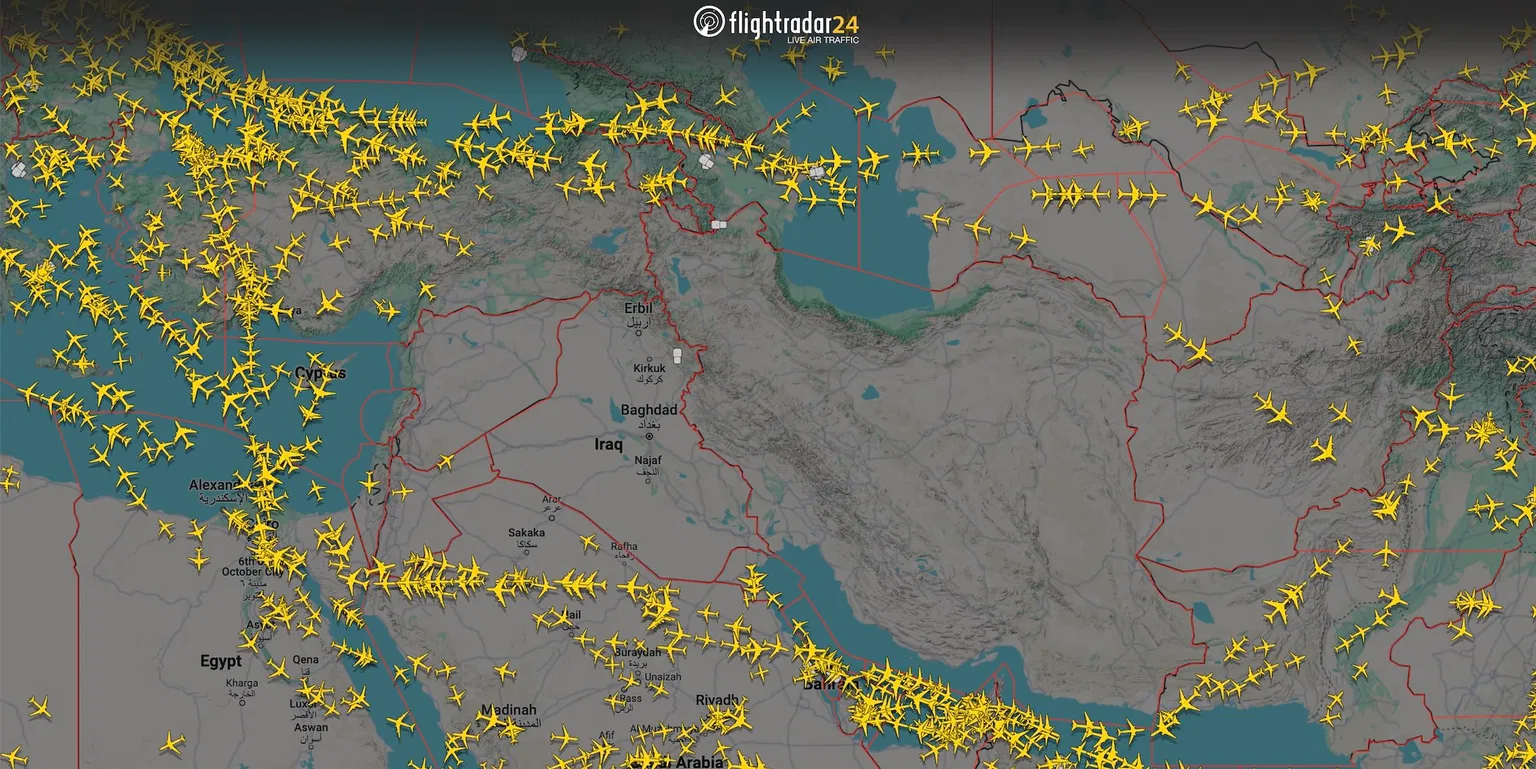
Flight tracking service Flightradar24 crashed under an unprecedented surge of traffic Saturday as millions of users flocked to the platform to monitor real-time aircraft movements amid coordinated US-Israel strikes on Iran. The system overload coincided with the closure of airspace across at least eight Middle Eastern countries, triggering widespread flight cancellations, diversions, and leaving travelers stranded across the region.
How Flightradar24 Buckled Under Unprecedented Demand
The popular flight tracking website and mobile app began experiencing severe availability issues around midday UTC, with users reporting slow loading times, error messages, and complete inability to access live flight data. According to outage tracking platform DownDetector, complaints surged dramatically throughout the afternoon, with 58% of reports related to website problems and 42% to app issues. Approximately 1% of users flagged login-related difficulties during the outage.
Flightradar24 officially acknowledged the situation on social media platform X, stating: "We are aware that many users are still experiencing site availability issues. This is due to an unprecedented volume of traffic requests. Our engineers are working hard to resolve the issue. We appreciate your patience." The company confirmed that visitor numbers had "skyrocketed" over the past few hours as geopolitical tensions escalated.
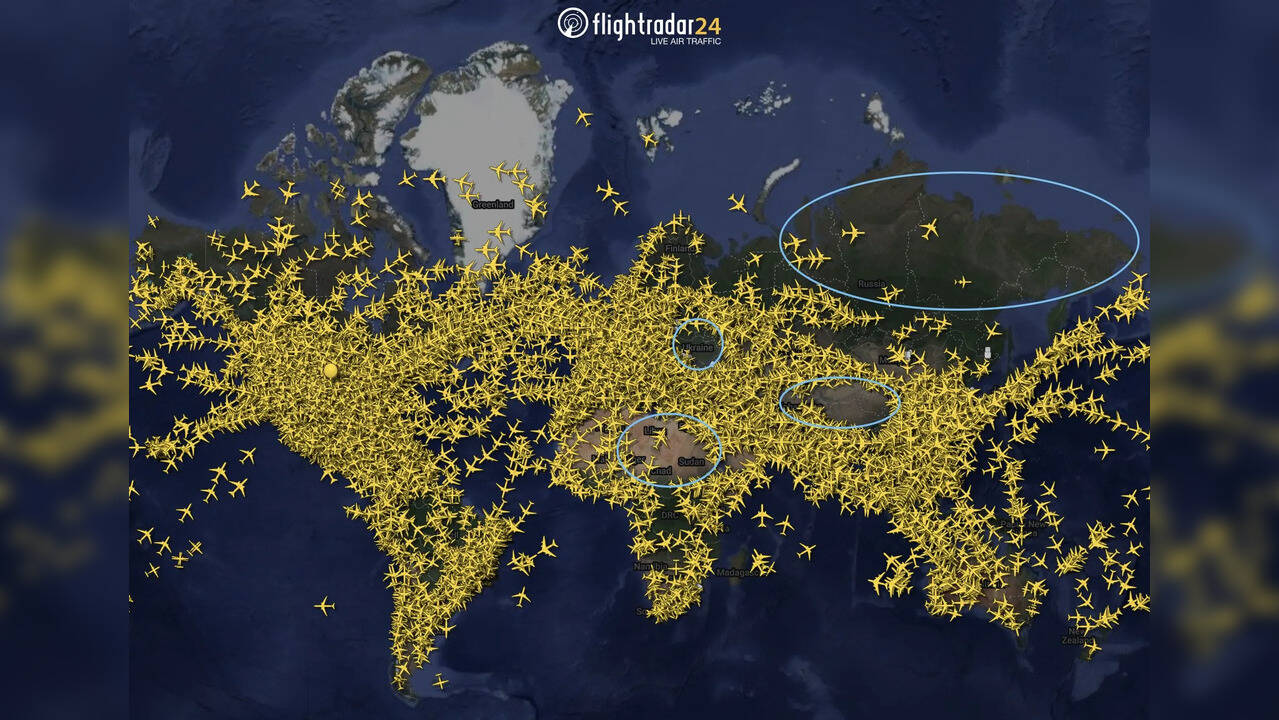
The timing of the crash highlights Flightradar24's critical role during aviation crises. The platform, which typically tracks over 250,000 flights daily and serves more than 4 million users, has become the go-to resource for travelers, aviation enthusiasts, and industry professionals during periods of airspace disruption. Saturday's events marked one of the most significant traffic spikes in the service's history, surpassing previous surges during the Russia-Ukraine conflict and other major aviation incidents.
Timeline: From Middle East Strikes to System Crash
The sequence of events unfolded rapidly throughout Saturday, creating a perfect storm of aviation disruption and public anxiety:
- 11:43 UTC: Flightradar24's live blog reports Israel launches "pre-emptive" strikes on Iran, with airspace closures going into place
- 12:00-14:00 UTC: Initial reports of Flightradar24 performance issues begin appearing on social media and outage tracking sites
- 14:30 UTC: Iran's Civil Aviation Organization announces complete airspace closure for six hours, followed by similar declarations from Iraq, Jordan, and Syria
- 15:00 UTC: Qatar, Bahrain, and Kuwait close their airspace as precautionary measures
- 15:45 UTC: Flightradar24 officially acknowledges system issues on X, citing "unprecedented volume of traffic requests"
- 16:00 UTC: Major airlines including Air India, Turkish Airlines, and Emirates announce suspension of Middle East routes
- 17:30 UTC: Flight tracking maps show near-complete evacuation of Iranian airspace, with aircraft routing around the entire region
The coordinated nature of the airspace closures created immediate challenges for airlines operating through one of the world's busiest aviation corridors. With traditional flight paths suddenly unavailable, aircraft were forced to take lengthy detours, adding hours to flight times and requiring additional fuel stops.
Impact on Travel: What Middle East Airspace Closures Mean for Passengers
The simultaneous closure of multiple Middle Eastern airspaces has created one of the most significant regional aviation disruptions in recent years. According to Flightradar24 data analyzed by Reuters, the number of aircraft over Iran dropped from over 100 to near zero within hours of the strikes. Similar patterns emerged across Iraq, Jordan, and surrounding nations.
For travelers, the practical implications are severe:
- Flight Cancellations: Air India suspended all Middle East flights indefinitely. Turkish Airlines halted services to Lebanon, Syria, Iraq, Iran, and Jordan until at least Monday, with Qatar and Kuwait routes also affected.
- Extended Flight Times: Aircraft traveling between Europe and Asia must now route around the closed airspace, potentially adding 3-5 hours to journey times and requiring additional fuel stops.
- Stranded Passengers: Thousands of travelers found themselves stuck at airports across the region, with limited information about when flights might resume.
- Economic Impact: The International Air Transport Association estimates each day of Middle East airspace disruption costs airlines approximately $150 million in additional operating expenses.
Aviation security expert Dr. Rebecca Chen notes: "When multiple countries close their airspace simultaneously, it creates a cascade effect throughout global aviation. The Flightradar24 crash compounded the problem by denying travelers and airlines the real-time information they need to make informed decisions."
Latest Updates: Flightradar24 Service and Airspace Status
As of Saturday evening UTC, Flightradar24 engineers continue working to restore full service capacity. The company has implemented rate limiting and prioritized critical aviation data streams to ensure essential information reaches airlines and aviation authorities. However, public access remains intermittent, with many users still experiencing delays and errors.
Airspace status across the region remains fluid:
- Iran: Airspace remains closed to all international flights except those with special permission
- Iraq & Jordan: Complete airspace closure continues with no announced reopening time
- Israel: Airspace closed indefinitely following retaliatory missile launches
- Qatar, Bahrain, Kuwait: Precautionary closures expected to continue through Sunday
- United Arab Emirates: Operating with severe restrictions and enhanced security protocols
Major airports including Dubai International (DXB), Abu Dhabi International (AUH), and Hamad International (DOH) are experiencing significant operational challenges. While these hubs remain open, flight schedules have been drastically reduced, and passengers are advised to expect lengthy delays.
What Travelers Should Expect in Coming Days
The situation remains highly volatile, with aviation authorities closely monitoring security developments across the region. Travelers with plans to fly through or to the Middle East in the coming week should prepare for continued disruption:
- Check Directly with Airlines: Rather than relying on flight tracking apps alone, contact your airline directly for the most current information about cancellations and rebooking options.
- Explore Alternative Tracking Tools: While Flightradar24 works to restore service, consider using alternative platforms like FlightAware, PlaneFinder, or airline-specific tracking tools.
- Build in Extra Time: If your flight is operating, expect extended travel times due to rerouting. Consider packing essentials in carry-on luggage in case of unexpected layovers.
- Monitor Travel Advisories: Government travel warnings are being updated frequently. The US State Department has issued "Do Not Travel" advisories for Iran, Iraq, and surrounding regions.
- Consider Travel Insurance: If you have comprehensive travel insurance, review coverage for trip interruptions due to geopolitical events.
Aviation analyst Mark Henderson warns: "We're looking at a minimum of 48-72 hours of significant disruption even if the immediate security situation stabilizes. Airlines need to reposition aircraft, crew, and develop new flight plans that avoid the affected airspace. Passengers should be prepared for a ripple effect that could impact global travel for several days."
Key Points for Affected Travelers
The Flightradar24 crash and Middle East airspace closures represent a perfect storm of technological failure and geopolitical conflict. For travelers caught in the disruption, remember these essential points:
- Flightradar24's outage is traffic-related, not a security breach—your personal data remains safe
- Multiple airlines are offering fee-free rebooking and cancellation options—check your carrier's policy
- Airspace closures are primarily precautionary and driven by safety concerns rather than active combat in most areas
- The aviation industry has robust contingency plans for such events—disruption, while severe, is temporary
- Stay informed through official channels rather than social media, where misinformation can spread rapidly
As Flightradar24 works to restore full service and airlines navigate the complex airspace situation, the travel industry's resilience is being tested. For now, patience, flexibility, and reliable information remain any traveler's best assets in navigating this unprecedented disruption.