
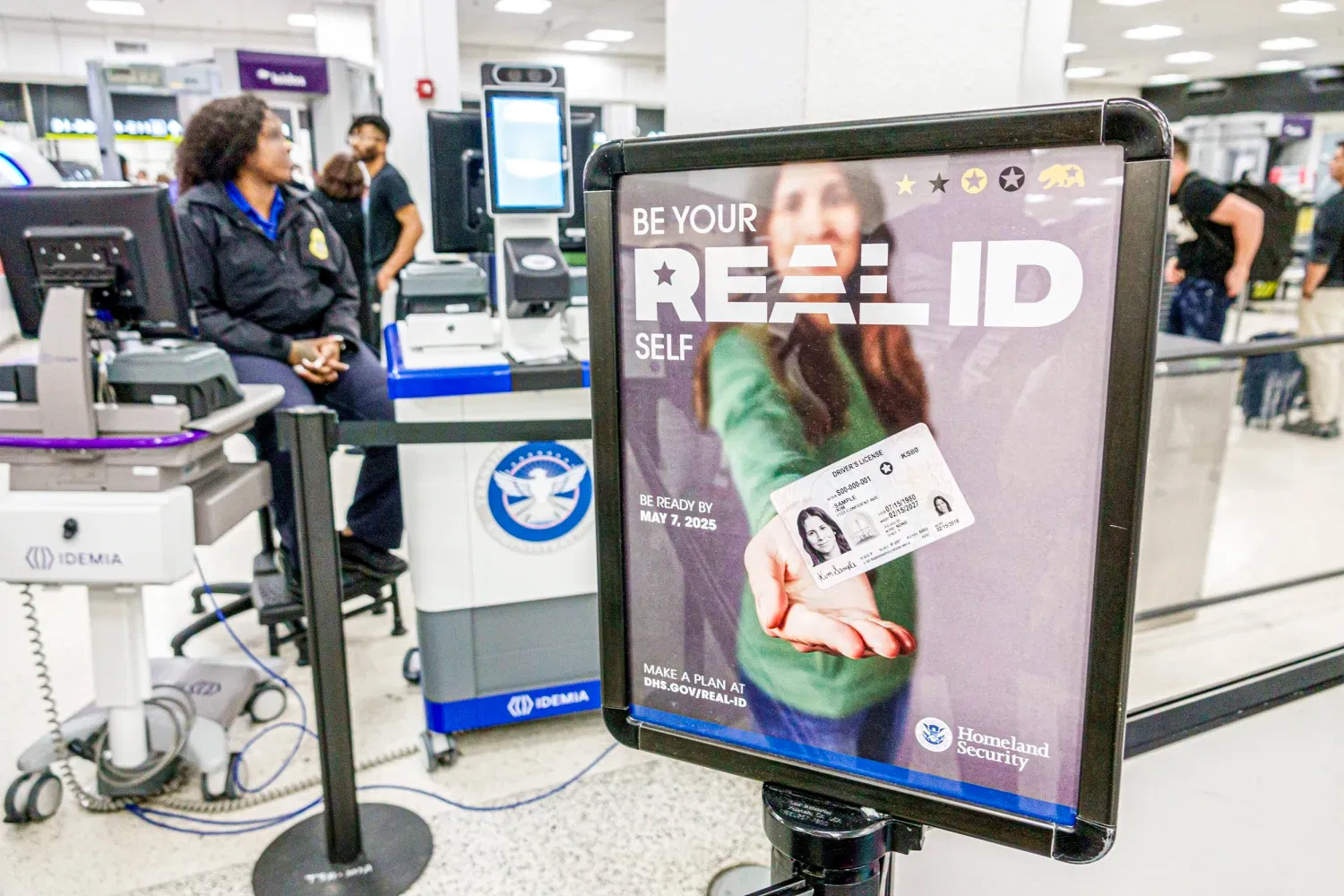
Starting February 1, 2026, U.S. travelers flying domestically without a Real ID or other acceptable identification will face a new $45 fee at airport security checkpoints. The Transportation Security Administration's ConfirmID program represents a significant shift in how air travel identification is verified, moving the cost of additional screening from taxpayers to individual travelers who aren't Real ID compliant. With approximately 94% of Americans already prepared, this change primarily affects the remaining 6% who must now decide between paying the fee, obtaining a Real ID, or using an alternative accepted form of identification.
How the $45 Real ID Fee Will Impact Your Travel Experience
The new TSA ConfirmID program allows travelers without Real ID-compliant identification to still fly domestically, but at a cost. According to NBC News, travelers 18 and older flying domestically without proper identification must pay $45 to verify their identity through the ConfirmID process. This fee covers a 10-day travel period, but paying doesn't guarantee access to air travel—passengers whose identities cannot be verified may still be turned away at security.
"The fee is all about making sure that we have the most modern system to handle not only the administrative processes, but the technology, and handle the 6% of the volume that is coming through our checkpoints today that do not have a REAL ID compliant driver's license," said Steve Lorincz, the TSA's deputy executive assistant administrator, in an interview with NBC News.
For travelers, this means additional planning is required. The TSA recommends paying the fee online at tsa.gov/ConfirmID before arriving at the airport to save time, as the verification process alone could take up to 30 minutes. All travelers using ConfirmID will be subject to additional ID verification, screening measures, and potential delays that could lead to missed flights if not properly planned.
Timeline: The Road to Real ID Enforcement
The Real ID saga has been nearly two decades in the making. Following the September 11, 2001 terrorist attacks, Congress passed the Real ID Act in 2005 to establish minimum security standards for state-issued driver's licenses and identification cards. The original enforcement date was set for 2008, but implementation faced repeated delays due to state compliance issues, technological challenges, and the COVID-19 pandemic.
The current timeline shows how we reached this point:
- May 7, 2025: Real ID becomes mandatory for domestic air travel, with TSA accepting only compliant IDs or acceptable alternatives at airport checkpoints.
- December 1, 2025: TSA announces the new $45 ConfirmID fee option for travelers without Real ID, giving travelers two months to prepare.
- January 15, 2026: TSA issues final reminders about the upcoming fee, urging travelers to obtain Real IDs or prepare for the new verification process.
- February 1, 2026: The $45 ConfirmID fee takes effect nationwide, marking the complete implementation of Real ID enforcement measures.
This staggered approach gave travelers multiple opportunities to become compliant, but the February 1 fee implementation represents the final phase of Real ID enforcement.
Analysis: Why This Fee Matters for Travelers
Beyond the immediate financial impact, the $45 Real ID fee represents several important shifts in U.S. travel policy. First, it moves the cost of identity verification from taxpayers to the individual travelers who require additional screening. As acting TSA deputy administrator Adam Stahl noted in a press release, "This fee ensures the cost to cover verification of an insufficient ID will come from the traveler, not the taxpayer."
Second, the fee creates a financial incentive for the remaining non-compliant travelers to obtain Real IDs. With the Real ID deadline having passed in May 2025, the fee serves as both a revenue mechanism and a behavioral nudge. As travel expert Julian Kheel, CEO of Points Path, explained to CBS News, "It's a longstanding policy. What has changed here is that they are now charging for it."
Third, the program introduces potential equity concerns. The $45 fee may disproportionately affect lower-income travelers who haven't yet obtained Real IDs, though the TSA notes that multiple acceptable ID alternatives exist, including passports (which many travelers already possess for international travel) and military IDs.
Finally, the ConfirmID process could impact overall airport security efficiency. While designed to handle the 6% of non-compliant travelers, the additional verification steps could create bottlenecks during peak travel periods, affecting all passengers moving through security checkpoints.
Current Status: Where Things Stand Today
As of February 1, 2026, the TSA ConfirmID program is operational at all U.S. airports serving domestic flights. Travelers without Real ID-compliant identification now have three options:
- Pay the $45 fee online at tsa.gov/ConfirmID before arriving at the airport
- Use an acceptable alternative ID such as a passport, passport card, permanent resident card, trusted traveler card (Global Entry, NEXUS), military ID, or federally recognized tribal nation photo ID
- Obtain a Real ID by visiting their state's motor vehicle agency with required documentation
The TSA reports that approximately 94% of travelers are already Real ID compliant, meaning the fee affects a relatively small percentage of air passengers. However, with millions of Americans flying daily, even 6% represents a significant number of travelers who need to understand the new requirements.
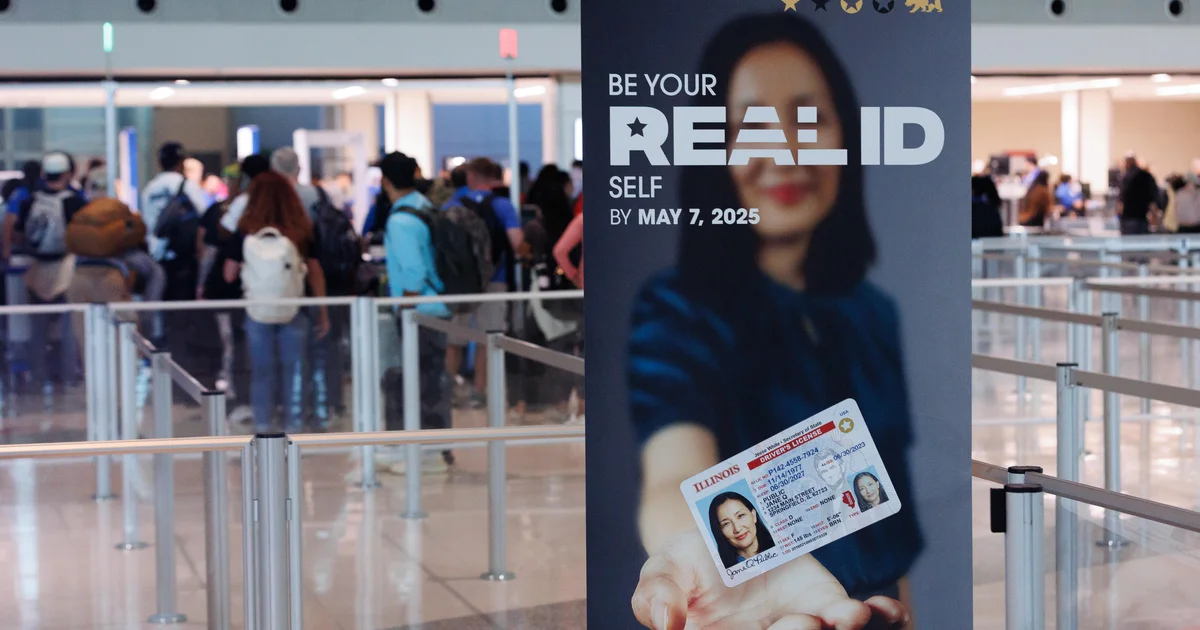
Airports have implemented new signage and videos with QR codes directing travelers to the ConfirmID website, and TSA representatives are available to assist passengers who arrive without proper identification. Cash payments are not accepted at airports—all fees must be paid electronically through the ConfirmID system.
What's Next: Navigating the New Travel Reality
Looking forward, travelers should expect the Real ID requirements to become a permanent fixture of domestic air travel. The TSA has indicated that the ConfirmID program will continue indefinitely as a safety net for travelers without compliant identification, though the agency strongly encourages everyone to obtain Real IDs or other acceptable forms of identification.
Several developments are worth watching:
- Digital ID integration: TSA already accepts digital IDs through Apple Wallet and Google Wallet at more than 250 airport checkpoints, and this capability may expand as digital identification becomes more widespread.
- Potential fee adjustments: The $45 fee may be reviewed periodically based on program costs and inflation, though no changes have been announced.
- State compliance improvements: Some states continue to streamline their Real ID issuance processes, potentially reducing wait times for those still needing to obtain compliant identification.
- International harmonization: As other countries implement similar enhanced identification standards, U.S. travelers may see parallel requirements for international travel documentation.
For now, the most important step for travelers is to check their current identification. Real ID-compliant licenses are marked with a star in the upper right corner (black or gold, depending on the state). Those without the star should either begin the Real ID application process or ensure they have an acceptable alternative ID before their next domestic flight.
Key Takeaways for Smart Travel Planning
The new Real ID fee represents both a challenge and an opportunity for travelers. By understanding the requirements and planning ahead, you can avoid unnecessary costs and delays. Here are the essential points to remember:
- Check your ID now: Look for the star on your driver's license. If it's not there, you'll need either a Real ID or an acceptable alternative for domestic flights.
- Plan for extra time: If you need to use ConfirmID, allow at least 30 additional minutes for the verification process at airport security.
- Pay online in advance: Save time and reduce stress by paying the $45 fee at tsa.gov/ConfirmID before heading to the airport.
- Explore all options: Remember that passports, military IDs, and trusted traveler cards are all acceptable alternatives to Real ID.
- Consider the long-term solution: While the $45 fee provides short-term access, obtaining a Real ID or passport eliminates this recurring cost for future travel.
As travel continues to evolve in response to security needs and technological advancements, staying informed about requirements like Real ID ensures smoother journeys and more enjoyable travel experiences. By taking proactive steps now, travelers can navigate these changes with confidence and avoid the unexpected costs that could otherwise disrupt their plans.