
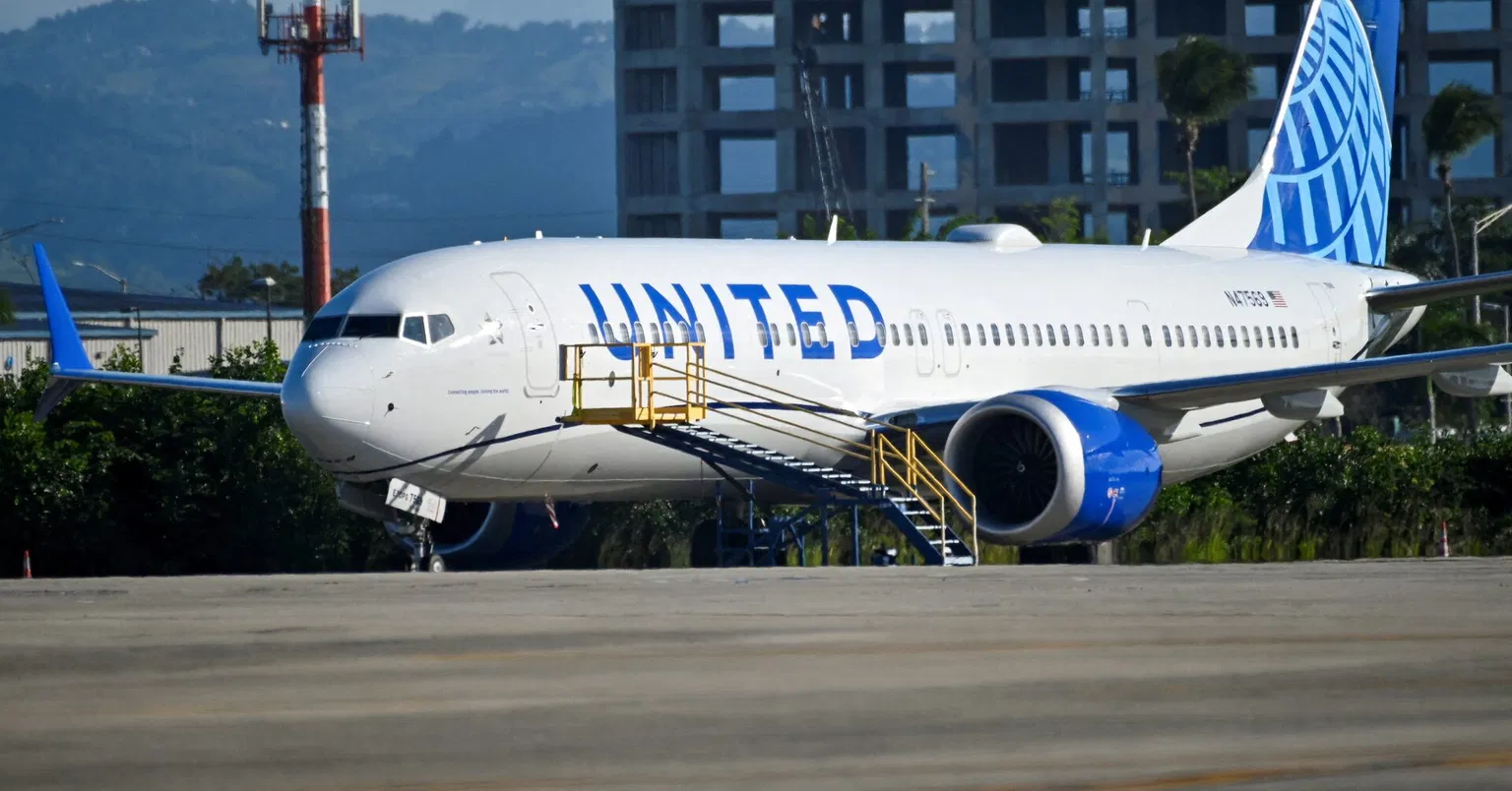
United Airlines is navigating turbulent skies after revealing that the grounding of Boeing 737 MAX 9 aircraft cost the carrier a staggering $200 million in the first quarter of 2024, a financial hit that underscores the ongoing challenges facing one of America's largest airlines. The announcement comes as United simultaneously reports stronger-than-expected third-quarter earnings, creating a complex picture for travelers who rely on the airline for domestic and international flights. With compensation negotiations underway with Boeing and operational adjustments in progress, understanding how these developments affect your travel plans has never been more crucial.
How Boeing's MAX 9 Grounding Cost United $200 Million and What It Means for Travelers
United Airlines reported a $124 million loss in the first quarter of 2024, directly attributing the financial setback to the three-week grounding of its Boeing 737 MAX 9 fleet. According to the airline's quarterly earnings report, the grounding resulted in a $200 million impact that transformed what would have been a modest profit into a significant loss. The crisis began on January 5, 2024, when an Alaska Airlines flight experienced a door plug blowout at 16,000 feet, prompting immediate safety concerns across the aviation industry.
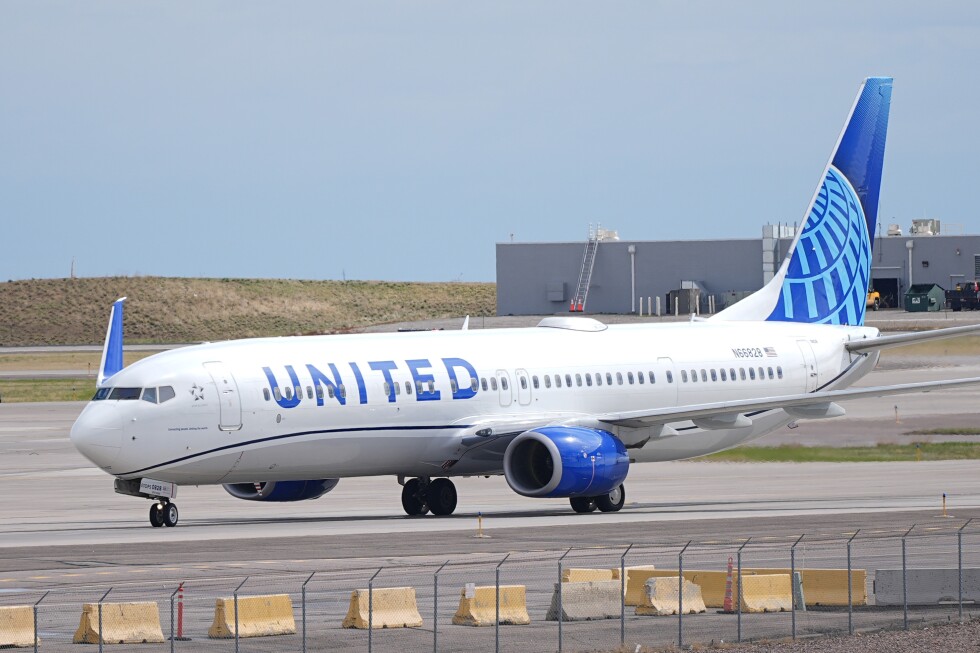
The Federal Aviation Administration (FAA) responded by grounding 171 Boeing 737 MAX 9 aircraft worldwide, including approximately 79 in United's fleet. This forced cancellation of hundreds of flights and created operational chaos during what is typically a slower travel period. For travelers, the immediate effect was widespread disruption: flights were canceled, connections were missed, and vacation plans were thrown into disarray. United's subsequent inspections revealed loose bolts on door plugs of several aircraft, raising additional safety questions that continue to resonate throughout the travel industry.
Timeline of the Boeing 737 MAX 9 Crisis: From Alaska Airlines Incident to United's Financial Hit
The Boeing 737 MAX 9 saga unfolded with remarkable speed, creating a cascade of events that ultimately cost United Airlines hundreds of millions of dollars. The timeline begins on January 5, 2024, when Alaska Airlines Flight 1282 experienced a door plug blowout shortly after takeoff from Portland, Oregon. Miraculously, there were no serious injuries, but the incident immediately raised red flags about Boeing's manufacturing quality control.
Within 24 hours, the FAA issued an emergency airworthiness directive grounding all Boeing 737 MAX 9 aircraft with door plugs. By January 7, United Airlines had grounded its entire fleet of 79 MAX 9 aircraft, canceling hundreds of flights and disrupting travel for thousands of passengers. Throughout January, United conducted extensive inspections that revealed "loose bolts in need of additional tightening" on several aircraft, according to statements from the airline.
The grounding lasted approximately three weeks, with United's MAX 9 aircraft returning to service in late January after thorough inspections and repairs. However, the financial damage was already done: United calculated the total impact at $200 million, a figure that would later be confirmed in their April earnings report. The timeline underscores how quickly an aviation safety incident can translate into significant financial consequences for airlines and travel disruptions for passengers.
Why United's Boeing Woes Matter for Your Travel Plans
For travelers, United Airlines' $200 million loss from the Boeing grounding represents more than just a corporate financial story—it has real implications for flight availability, pricing, and service quality throughout 2024. The grounding forced United to cancel approximately 200 flights per day during the three-week period, creating a backlog of passengers needing rebooking and compensation. While the airline has returned to normal operations, the financial impact may influence several key areas of your travel experience.
First, fleet planning and route development could be affected. United had planned to expand its MAX 9 operations significantly in 2024, particularly on domestic routes and shorter international flights. The grounding and subsequent safety concerns may cause the airline to reconsider these expansion plans, potentially limiting seat availability on popular routes. Second, the $200 million financial hit creates pressure on United to optimize revenue, which could translate into fewer fare sales and higher prices on competitive routes.
Third, maintenance and safety procedures are receiving heightened scrutiny. United has committed to additional inspections and quality control measures for its MAX 9 fleet, which could occasionally lead to last-minute maintenance delays or aircraft substitutions. Travelers should build extra flexibility into their itineraries when flying on MAX 9 routes, particularly through United's hubs in Denver, Chicago, and Newark.
Where United Stands Now: Compensation from Boeing and Operational Recovery
United Airlines has secured a crucial victory in its recovery from the MAX 9 crisis: compensation from Boeing for the financial damages incurred. According to Reuters, United will receive compensation from the planemaker for the $200 million hit, though specific terms of the agreement remain confidential. This compensation agreement represents a significant step toward financial recovery and demonstrates Boeing's acknowledgment of responsibility for the grounding.
Operationally, United has returned its MAX 9 fleet to full service, with all aircraft having undergone rigorous inspections and necessary repairs. The airline reports that its MAX 9 aircraft are now among the most thoroughly inspected planes in its fleet, with enhanced monitoring procedures in place. For travelers, this means the immediate disruption has passed, but the airline remains in a period of heightened vigilance regarding these aircraft.
Financially, United's position remains strong despite the Q1 setback. The airline's Q3 2024 earnings exceeded Wall Street expectations, with diluted earnings per share of $2.90 and revenue of $14.84 billion. This performance demonstrates United's resilience and suggests that the Boeing incident, while costly, hasn't fundamentally damaged the airline's operational or financial foundations. Travelers can therefore book United flights with confidence in the airline's overall stability.
What Travelers Can Expect from United Airlines in 2024
Looking ahead, United Airlines faces both challenges and opportunities as it navigates the aftermath of the MAX 9 grounding. For travelers, several key developments are worth monitoring throughout 2024. First, United's route network continues to expand, with new international destinations and increased frequency on popular business routes. The airline recently announced additional flights to Asia and Europe, suggesting confidence in its long-term growth despite short-term setbacks.
Second, United is accelerating its fleet modernization program, taking delivery of new aircraft while retiring older, less fuel-efficient planes. This transition should result in more comfortable, reliable travel experiences with newer cabins and better amenities. Third, the airline is investing heavily in customer service improvements, including enhanced mobile app functionality, streamlined rebooking processes, and expanded customer support options—all lessons learned from the MAX 9 disruption.
Most importantly, United has implemented what it calls "enhanced safety protocols" across its operations, particularly for its MAX 9 fleet. These include additional inspection checkpoints, improved communication with Boeing regarding manufacturing updates, and more transparent reporting of maintenance issues. For travelers, these changes should translate into greater confidence in the safety and reliability of United flights throughout the remainder of 2024 and beyond.
Key Takeaways for Travelers Navigating Airline Disruptions
The United Airlines-Boeing MAX 9 situation offers valuable lessons for all travelers facing potential airline disruptions. First, always purchase travel insurance that covers airline cancellations and delays, particularly when booking flights on aircraft types that have experienced recent safety issues. Second, consider booking flights earlier in the day when possible, as disruptions tend to compound throughout the day and early flights are less likely to be affected by maintenance or crew scheduling issues.
Third, enroll in airline loyalty programs and download carrier mobile apps for real-time notifications about flight changes. United's app proved particularly valuable during the MAX 9 grounding, allowing passengers to rebook automatically and receive instant updates about their flights. Fourth, when disruptions occur, be polite but persistent with customer service representatives—understanding that they're dealing with systemic issues beyond their control while firmly advocating for the compensation and rebooking options you deserve.
Finally, maintain perspective: while the MAX 9 grounding caused significant disruption, aviation remains one of the safest modes of transportation, with multiple layers of safety protocols protecting passengers. United's experience demonstrates that even when problems occur, the system contains robust mechanisms for identification, correction, and compensation. By staying informed, prepared, and flexible, travelers can navigate airline disruptions with minimal stress and continue enjoying the remarkable convenience of modern air travel.