
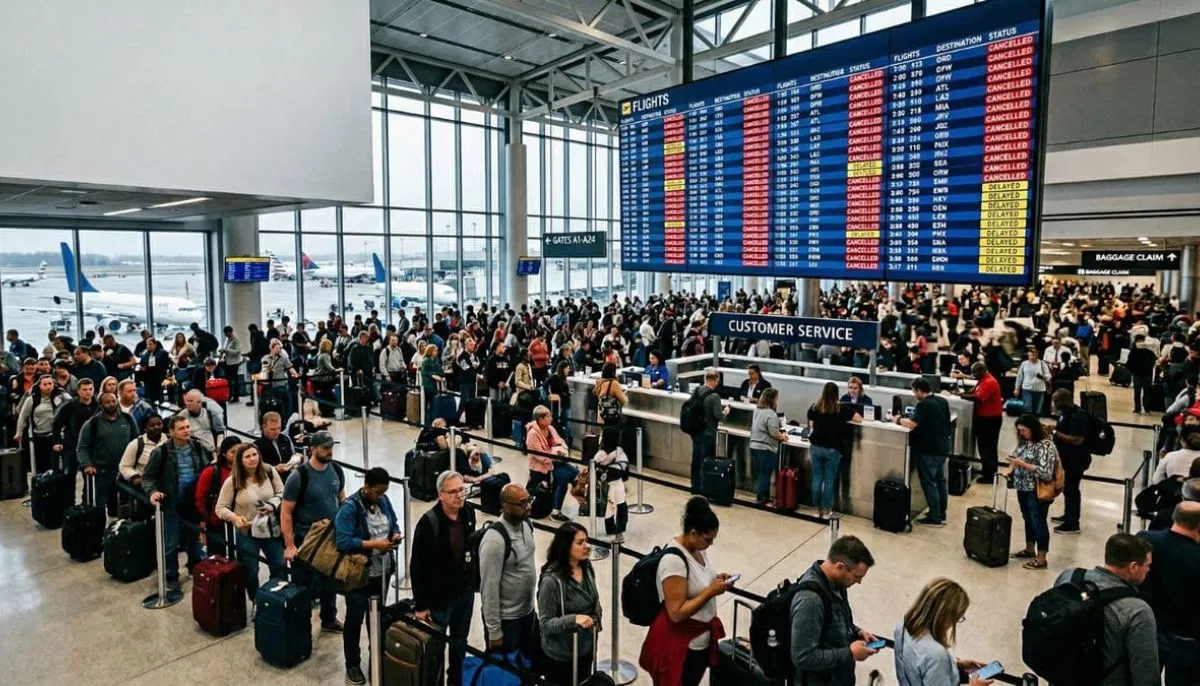
Travelers across the United States are facing one of the most challenging periods for air travel in recent memory, with flight cancellations and delays disrupting thousands of journeys daily. From winter storms blanketing major hubs to government-mandated flight reductions, the perfect storm of factors has created ongoing headaches for passengers. According to recent data, over 1,000 flights have been delayed and more than 100 cancelled within, into, or out of the United States today alone, with South Florida airports experiencing particularly severe impacts. This comes on the heels of January 2026's massive winter storm that cancelled over 8,900 departures in a single day, and ongoing Federal Aviation Administration (FAA) restrictions that continue to affect schedules at 40 of the nation's busiest airports.
The Scale of Disruption: How Bad Has It Really Been?
The numbers tell a sobering story of air travel turmoil. During the peak of January 2026's winter storm, more than 8,900 departures were cancelled across the United States according to aviation data firm Cirium, with major hubs like Hartsfield-Jackson Atlanta International Airport seeing over 500 cancellations in a single day. Separate data from FlightAware showed approximately 5,220 U.S. flights cancelled and more than 6,500 delayed during the same period. The disruption wasn't limited to weather events – in November 2025, airlines cancelled more than 2,800 U.S. flights and delayed over 10,200 on just one Sunday as government-mandated flight cuts took effect.
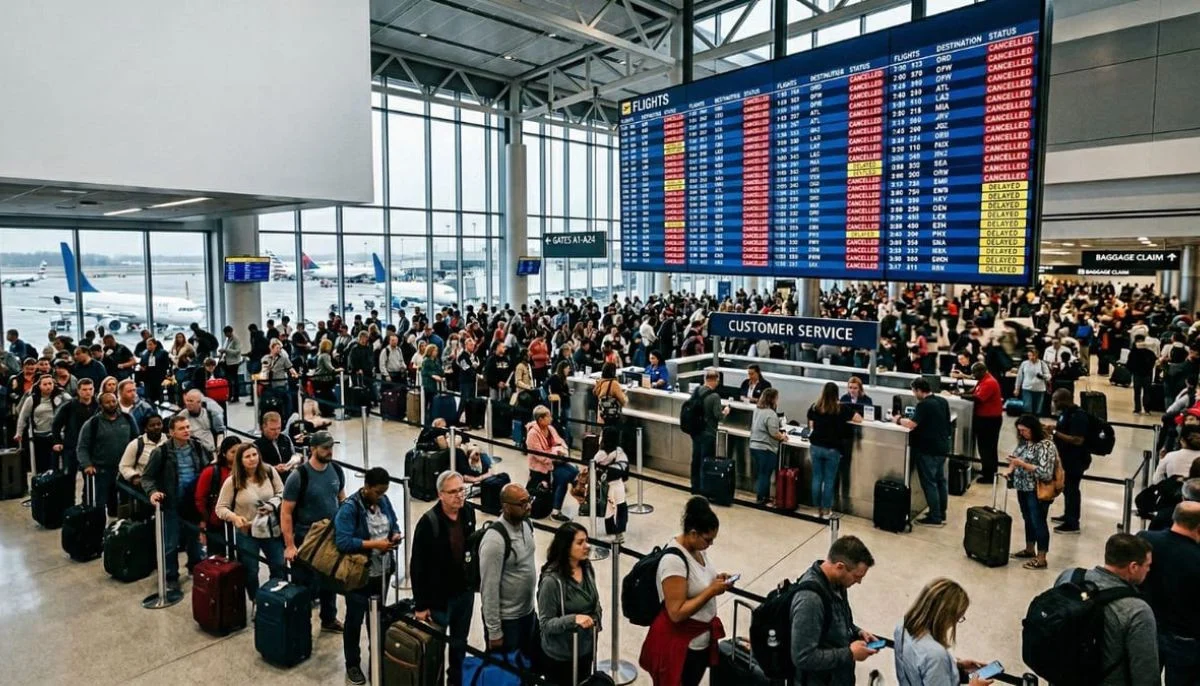
Even on relatively calm days, the ripple effects continue. FlightAware's live tracking data shows that as of today, total delays within, into, or out of the United States exceed 1,100, with cancellations numbering in the hundreds. The most affected airports span from Miami and Fort Lauderdale in Florida to major hubs like Chicago O'Hare, Atlanta, and Dallas/Fort Worth. What makes the current situation particularly challenging for travelers is the combination of factors – weather, operational issues, and regulatory changes – creating a layered disruption that's harder to predict and navigate.
Timeline: From Winter Storms to Government Shutdowns
The current wave of flight disruptions has its roots in several key events over the past year. In January 2025, Winter Storm Blair disrupted over 10,300 flights across the United States, with 1,811 cancellations and 8,501 delays recorded on a single Sunday according to FlightAware data. This set the stage for what would become a pattern of weather-related disruptions throughout the year.
The situation escalated dramatically in November 2025 when the FAA ordered airlines to reduce flights by 4-10% at 40 major U.S. airports due to air traffic controller shortages during a government shutdown. This unprecedented move came as the shutdown crept into its fifth week, with air traffic controllers continuing to work without pay. Airlines scrambled to rejig schedules, cancelling hundreds of flights daily to comply with federal directives. The FAA's order specifically targeted airports including New York's JFK and LaGuardia, Chicago O'Hare, Los Angeles International, and Atlanta Hartsfield-Jackson – the nation's busiest hubs.
By January 2026, another major winter storm blanketed much of the eastern United States, pushing cancellation numbers to pandemic-era levels. The storm's timing during peak travel periods meant that ripple effects lasted for days, with airlines struggling to reposition aircraft and crews. Even as weather conditions improved, the backlog of disrupted passengers and logistical challenges meant recovery was slow and painful for the aviation system.
Understanding Your Rights: What Airlines Owe You
Amid the chaos, it's crucial for travelers to understand their rights when flights are cancelled or significantly delayed. According to the U.S. Department of Transportation's latest regulations, passengers have clear entitlements that many airlines don't proactively advertise. "If a flight does get canceled, travelers are owed a full refund for the ticket, full stop," explains consumer travel experts. "If they are presented with a credit, they have the right to refuse and demand cash instead."
The DOT rules are specific: airlines must notify passengers about flight cancellations and significant delays, and affected travelers have the right to receive a refund. This applies regardless of whether the cancellation is due to weather, mechanical issues, or operational decisions. For significant delays (generally defined as three hours or more for domestic flights), passengers can choose between rebooking or a refund. Additionally, if airlines cancel flights and the only alternative they offer involves a significant schedule change, passengers are entitled to a full refund including all taxes and fees.
During irregular operations like those caused by winter storms or government-mandated cuts, airlines are also required to provide amenities such as meals, hotel accommodations, and transportation when passengers are stranded overnight. While weather-related cancellations don't typically require additional compensation beyond refunds or rebooking, situations within the airline's control (like staffing issues or maintenance problems) may trigger additional compensation requirements.
Current Status: Where Things Stand Today
As of the latest reports, flight disruptions continue across multiple U.S. airports, with South Florida experiencing particular challenges. Miami International Airport (MIA), Fort Lauderdale-Hollywood International Airport (FLL), and Palm Beach International Airport (PBI) have all reported significant delays and cancellations. Over 1,000 flights have been delayed and more than 100 cancelled within, into, or out of the United States today alone, according to live tracking data.
The FAA's dashboard shows active airport events at multiple locations, with ground stops and delay programs in effect at various times. While the government shutdown that triggered mandatory flight reductions has ended, the aviation system continues to feel the effects. Air traffic controller staffing remains a concern, and airlines are working to rebuild their schedules while maintaining safety margins. The combination of ongoing weather challenges, particularly in spring storm seasons, and residual operational issues means travelers should continue to expect potential disruptions when flying through major hubs.
FlightAware's MiseryMap – a visualization of flight disruption hotspots – shows concentrations of delays along the East Coast and in the Midwest, with Chicago, Atlanta, and New York areas experiencing the most significant impacts. International travel is also affected, with transatlantic and transpacific flights experiencing knock-on effects from domestic disruptions.
Expert Tips: Navigating the Chaos Successfully
Travel experts and frequent flyers have developed strategies for dealing with flight disruptions. Their top advice starts with preparation: "Always have a backup plan," recommends Nicky Kelvin from The Points Guy. "Know your alternate routing options before you travel, and have the airline's app downloaded with your information stored." When a cancellation occurs, time is critical. Experts recommend simultaneously calling the airline while standing in line at the service desk, and using social media channels for faster responses during high-volume periods.
For rebooking, flexibility is key. "Be willing to consider alternative airports, even if it means a longer ground transfer," suggests travel blogger Heather Jasper. "During mass cancellations, the first available seats go to those who are most flexible about their routing." She also recommends understanding contract of carriage rules for your specific airline, as policies on accommodations and amenities during delays can vary significantly between carriers.
Technology can be a powerful ally. Flight tracking apps like FlightAware provide real-time updates often faster than airline systems. Setting up alerts for your route can give you advance warning of potential issues. Additionally, having travel insurance that covers trip interruptions becomes particularly valuable during periods of widespread disruption. However, experts caution that many basic policies have exclusions for government actions or pre-existing conditions, so understanding your coverage is essential.
Looking Ahead: The Future of Air Travel Reliability
Aviation analysts predict that the current challenges may persist through 2026 as the industry works to address systemic issues. The FAA is implementing new technologies and procedures to improve air traffic management efficiency, but these changes take time. Airlines are investing in larger aircraft to move more passengers with fewer flights, potentially reducing congestion at busy airports.
For travelers, the lesson from recent disruptions is clear: build more flexibility into travel plans. This might mean avoiding tight connections, considering travel insurance with robust cancellation coverage, and being strategic about booking times. Early morning flights historically have better on-time performance, as they're less likely to be affected by delays accumulating throughout the day. Similarly, mid-week travel often faces fewer disruptions than peak weekend periods.
The Department of Transportation continues to strengthen consumer protections, with new rules requiring more transparent communication about passenger rights and faster refund processing. Travel advocates recommend familiarizing yourself with these protections before you fly, as knowledge truly is power when dealing with airline customer service during disruption events.
Key Takeaways for Smart Travel Planning
First, know your rights: You're entitled to a full refund (not just credit) for cancelled flights or significant delays under DOT rules. Second, act quickly but strategically when disruptions occur: contact airlines through multiple channels and have alternative options ready. Third, document everything: keep records of communications, expenses, and promises made by airline staff. Fourth, consider travel insurance carefully, ensuring it covers the types of disruptions most likely to affect your plans. Finally, maintain perspective – while flight disruptions are frustrating, safety must remain the priority, and understanding the complex factors affecting air travel can help manage expectations during challenging periods.
The current situation with U.S. flight cancellations and delays represents a convergence of weather, operational, and regulatory challenges. By staying informed about your rights, preparing for potential disruptions, and approaching travel with flexibility, you can navigate even the most challenging air travel environments successfully. The aviation system will eventually recover its equilibrium, but in the meantime, smart, prepared travelers will fare best when faced with unexpected changes to their plans.