
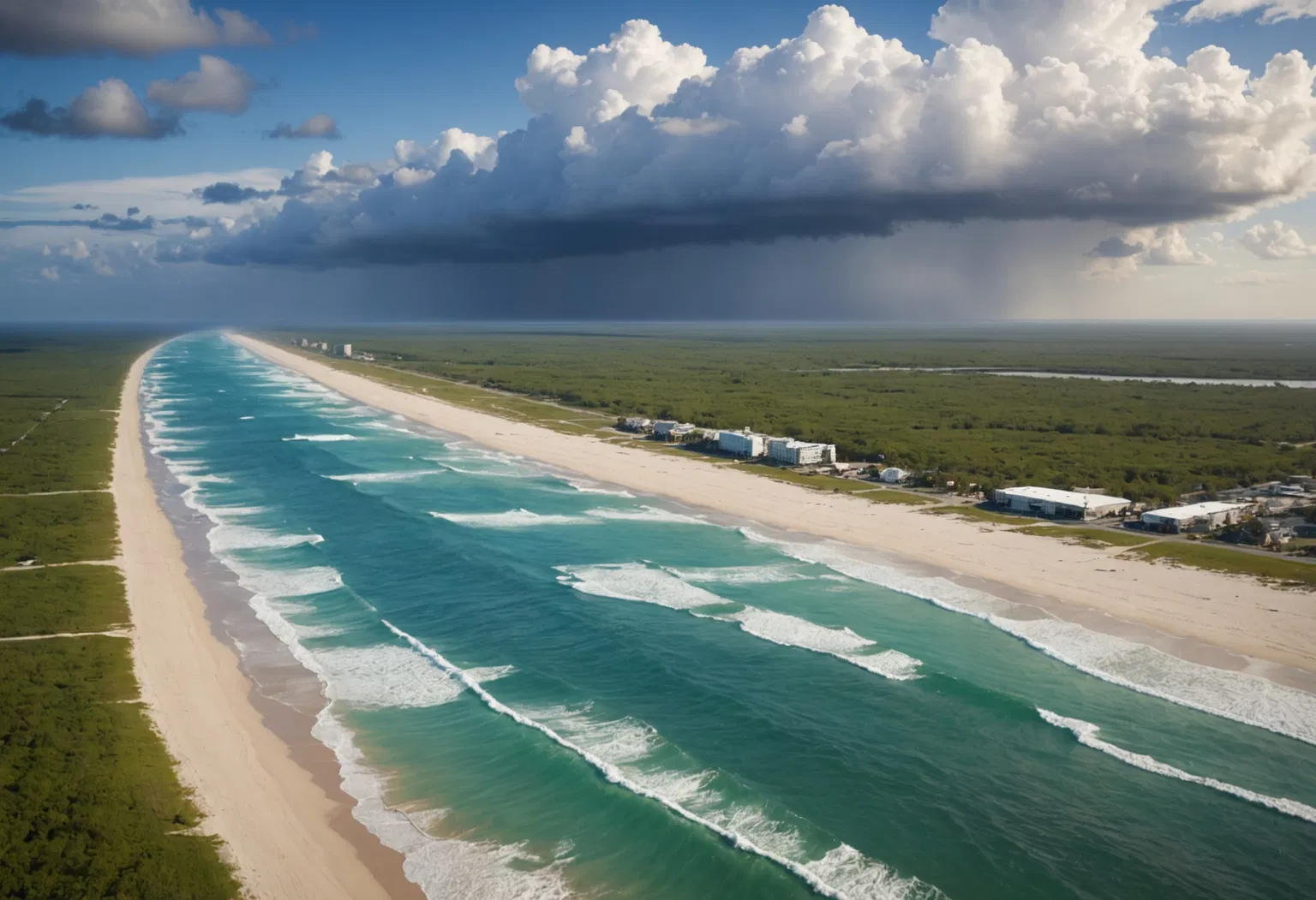
Hurricane Isaias, the first hurricane of the 2026 Atlantic season, is bearing down on the northern Gulf Coast and forcing airport shutdowns, triggering airline travel waivers and scrambling cruise itineraries across Florida, Alabama, Mississippi and Louisiana. The storm exploded from a tropical storm into a Category 3 hurricane in a matter of days and is now packing sustained winds near 115 mph, with landfall expected late Friday night into early Saturday. States of emergency have been declared in parts of Alabama, Florida and Georgia, and mandatory evacuation orders are in effect for some coastal communities. For travelers with plans in the region, major airlines are waiving change fees, several airports are closing ahead of the storm, and cruise lines are rerouting ships. Here is what you need to know to protect your trip.
Airlines Waive Change Fees as Airports Close Ahead of Isaias
The most immediate impact for travelers is a wave of airline travel waivers. United Airlines has issued waivers for passengers traveling to or from New Orleans, Birmingham, Panama City and Gulfport/Biloxi, while Delta Air Lines is covering travel on October 9-10 to, from or through Birmingham, Columbus, Destin-Fort Walton Beach, Dothan and Gulfport/Biloxi, with eligible rebookings allowed through October 13 in the same cabin at no extra cost. American Airlines separately waived change fees for October 9 and 10 travel involving seven Gulf Coast airports, including Tampa and New Orleans, and Southwest, Allegiant and Breeze have also published waivers for Gulf Coast flights between October 9 and 11.
On the ground, airports are shutting down well before the storm arrives. Pensacola International Airport (PNS) announced it will close its terminal to commercial operations at 10 a.m. CT on Friday, with runways shutting down at 6 p.m. Friday, while Destin-Fort Walton Beach Airport (VPS) closed to all operations at 9 p.m. Thursday night as winds reached 80 mph. Orlando International (MCO) is scheduled to reopen at noon ET, and Miami International is ending flights Friday at 7:45 p.m. ET. Tampa International said operations continue as normal for now, but nearly 2,000 U.S. flights were delayed and 84 were cancelled on October 7 alone, with thunderstorms causing delays at Orlando, Tampa, Miami and Fort Lauderdale.
How Isaias Rapidly Intensified Into a Category 3 Storm
Isaias formed as a tropical storm in the Gulf of Mexico northwest of Mexico's Yucatan Peninsula, and forecasters warned early that it could strengthen quickly. It became a hurricane on Wednesday night and then underwent dramatic rapid intensification, with winds increasing by roughly 40 mph in just six hours as it surged to Category 3 status on Friday. According to NOAA, Isaias is not only the first hurricane of the season but the latest first Atlantic hurricane on record since at least 1905, and it marks the first hurricane to make a U.S. landfall in two years. The National Hurricane Center tracked the storm near 26.4N, 88.0W as it churned toward the coast, with forecasters projecting storm surge of 5 to 7 feet across parts of Alabama and Florida and up to 10 inches of rainfall in some areas.
What the Storm Means for Gulf Coast Travel and How to Prepare
Cruise passengers should also brace for changes. Carnival Cruise Line has six ships under watch as the storm crosses the Gulf, and cruise operators including Royal Caribbean are warning that Isaias could force itinerary changes, with ships rerouting, adding sea days, skipping ports or substituting stops to steer clear of dangerous winds and waves. Ports from New Orleans to the Florida Panhandle are expected to see disruptions starting Friday.
If you are traveling through the Gulf Coast this week, travel and safety experts recommend a few simple steps. First, review cancellation and rebooking policies for your flights and accommodations, and open your airline's app to find the Isaias waiver notice tied to your booking. Second, monitor official alerts from the National Hurricane Center and your airline rather than relying on social media. Third, if you are still purchasing coverage, understand that travel insurance must generally be bought before a storm is named to cover hurricane-related disruptions. AAA also advises drivers to keep at least half a tank of fuel during hurricane season and to never drive around barricades or through flooded roadways, while FEMA stresses that if a road is flooded, you should turn around and find another route.
Where Things Stand Now: Latest on Hurricane Isaias
As of the latest updates, Isaias is a Category 3 hurricane moving toward the northern Gulf Coast, with the most likely landfall point between the western Florida Panhandle and southern Alabama or Mississippi late Friday into early Saturday. Emergency officials have urged residents and visitors to finish preparations, National Guard troops have been deployed, and several coastal counties have ordered evacuations. Flight delays are continuing at Florida airports, and the window to rebook or cancel without penalty is closing as more airports suspend operations.
What Happens Next for Gulf Coast Travelers
Once Isaias makes landfall, travelers should expect a recovery period that may stretch through the weekend. Airports that close will need to conduct damage assessments and safety inspections before reopening, and Pensacola has signaled it may not resume operations until Saturday or Sunday depending on conditions. Airlines typically extend waivers if disruptions persist, so keep your confirmation number handy and rebook as early as possible once operations resume. Cruise lines will continue to publish itinerary updates, and travelers should check directly with their cruise line for the latest changes.
Key Takeaways for Travelers
- Major airlines are waiving change fees for Gulf Coast flights October 9-11; rebook by October 13 where eligible.
- Pensacola (PNS) and Destin-Fort Walton Beach (VPS) are closing, with Orlando, Miami and Tampa facing delays.
- Storm surge of 5-7 feet and heavy rainfall are forecast for parts of Alabama and the Florida Panhandle.
- Cruise lines are rerouting ships and may skip ports through the weekend.
- Monitor the National Hurricane Center, review your policies, and never drive through flooded roads.