
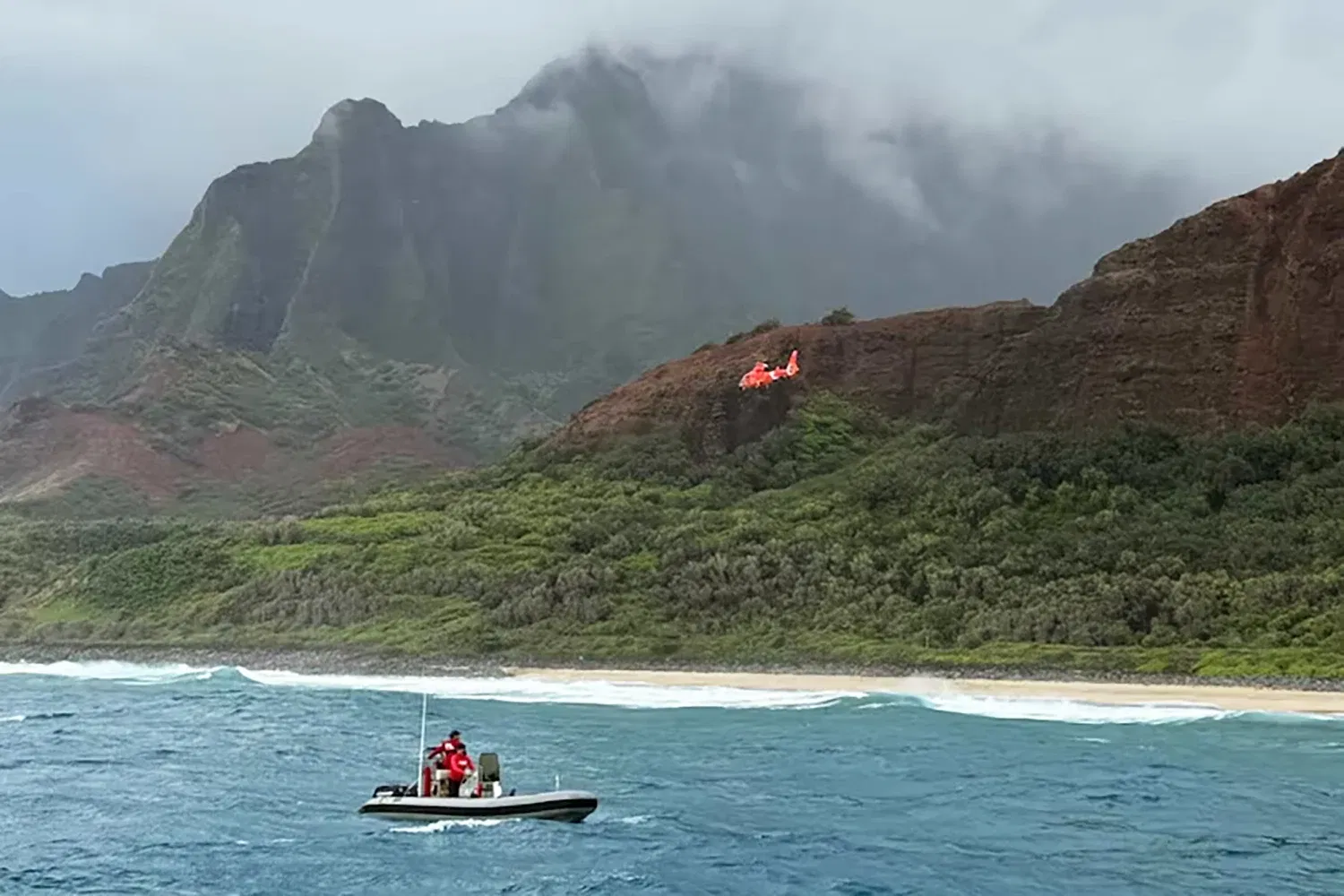
Three people are dead and two injured after a tour helicopter crashed into the ocean off Kauai's Na Pali Coast Thursday afternoon, raising urgent questions about helicopter tour safety for travelers visiting Hawaii. The Airborne Aviation helicopter went down near Kalalau Beach around 3:45 p.m. local time, marking the latest in a series of tragic accidents that have plagued Hawaii's scenic flight industry over the past decade.
How the Kalalau Beach Crash Unfolded
According to Kauai police, dispatchers received a text-to-911 message at approximately 3:45 p.m. on March 26 reporting a helicopter had crashed into the ocean near Kalalau Beach. The helicopter, operated by Airborne Aviation, was carrying one pilot and four passengers on what was likely a scenic tour of the iconic Na Pali Coast. Initial reports from the Coast Guard indicated the aircraft went down about 100 yards offshore.
The Kauai Fire Department responded with an Air 1 helicopter crew and officers aboard jet skis, while the Coast Guard, American Medical Response, Department of Land and Natural Resources, and Kauai Emergency Management Agency all joined the rescue effort. Three passengers were pronounced dead at the scene, while the two survivors—including the pilot—were transported to Wilcox Medical Center in Lihue for treatment.
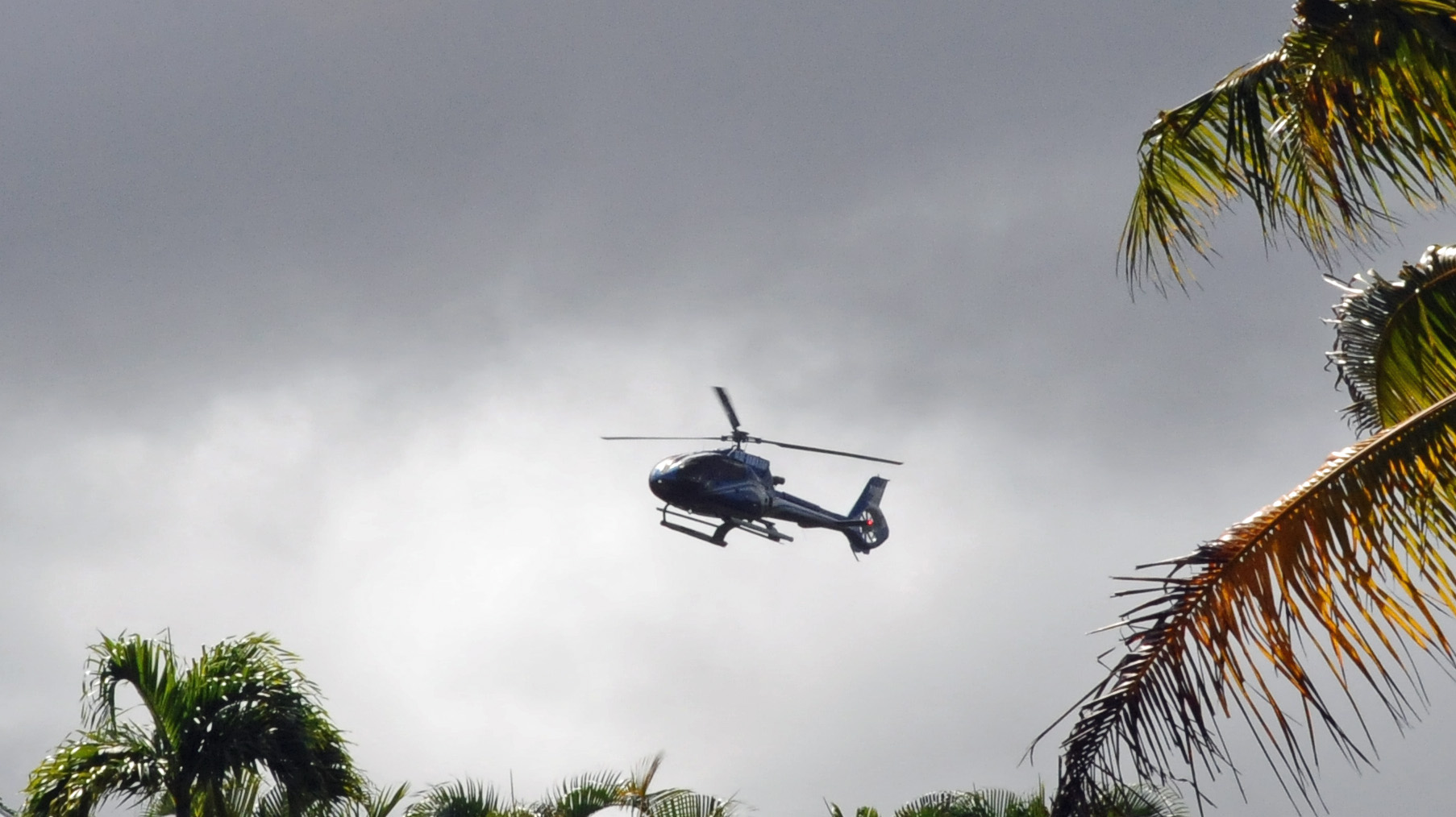
Timeline: From Emergency Call to Investigation
The sequence of events began when the helicopter departed for what should have been a breathtaking tour of Kauai's north shore. At 3:45 p.m., the first emergency call came in reporting the crash. By 4:00 p.m., multiple agencies were converging on the remote Kalalau Beach area, accessible only by boat, helicopter, or an arduous 11-mile hike. By 5:30 p.m., officials confirmed three fatalities and two survivors being transported to the hospital. By Thursday evening, the Federal Aviation Administration and National Transportation Safety Board had announced they would investigate the crash.
Why Hawaii's Helicopter Tour Safety Record Matters
This latest crash occurs against a backdrop of concerning safety statistics for Hawaii's helicopter tour industry. According to a Honolulu Civil Beat analysis, 2019 was the deadliest year for tour helicopters in nearly two decades, with 10 people dying in two separate crashes. Between 1984 and 2022, there were 54 commercial helicopter crashes in Hawaii resulting in 60 deaths and 43 serious injuries.
"Are helicopter tours safe? Yes, usually. Can they be safer? Yes, apparently," noted a Smart Meetings analysis following a 2019 crash that killed seven people on Kauai. The publication pointed out that while helicopter tours are statistically safer than driving in many cases, the unique combination of Hawaii's mountainous terrain, rapidly changing weather conditions, and high volume of tourist flights creates specific risks that require enhanced safety measures.
5 Essential Safety Tips for Helicopter Tours in Hawaii
For travelers considering a helicopter tour in Hawaii, safety experts recommend these critical precautions:
- Research Operator Safety Records: Check the FAA's database for any violations or incidents involving the tour company. Look for operators with perfect safety records over multiple years.
- Choose Modern Aircraft: Opt for companies flying helicopters manufactured after 1994, which are required to have crash-resistant fuel systems. Larger turbine helicopters generally offer more safety features than smaller piston models.
- Understand Weather Policies: Reputable companies will cancel or reschedule flights in questionable weather. Be wary of operators who push forward with flights when conditions are marginal.
- Review Safety Briefings Thoroughly: Pay close attention to pre-flight safety instructions, especially for doors-off tours. Ensure you understand how to properly secure all equipment and personal items.
- Consider Alternative Viewing Options: Many of Hawaii's most scenic areas can be viewed via boat tours, hiking trails, or overlooks that don't involve aerial risks.
Where Things Stand Now: Investigation and Industry Response
The FAA and NTSB have taken lead on the investigation, which will examine maintenance records, pilot qualifications, weather conditions, and aircraft performance. Airborne Aviation has not yet issued a public statement about the crash. Meanwhile, Kauai Mayor Derek Kawakami emphasized the community's commitment to visitor safety: "Here on Kauai, whenever somebody puts their feet on our soil, they're one of ours, we treat them like one of ours, they're a part of our family, and our first responders respond with that spirit in mind."
What Happens Next for Hawaii's Tour Industry
This crash will likely renew calls for stricter regulation of Hawaii's helicopter tour industry. Previous NTSB recommendations have included mandatory terrain awareness warning systems, improved weather monitoring, and stricter pilot training requirements. Travel industry analysts predict increased scrutiny of doors-off tours and potentially new insurance requirements for operators. For travelers, the incident serves as a sobering reminder to prioritize safety when booking adventure activities.
The Bottom Line: Key Points for Travelers
While helicopter tours offer unparalleled views of Hawaii's stunning landscapes, they come with inherent risks. The tragic crash at Kalalau Beach underscores the importance of thorough research, choosing reputable operators, and understanding safety protocols. As investigations continue and the industry potentially evolves, informed travelers can still enjoy Hawaii's beauty while minimizing risks through careful planning and safety-conscious choices.