
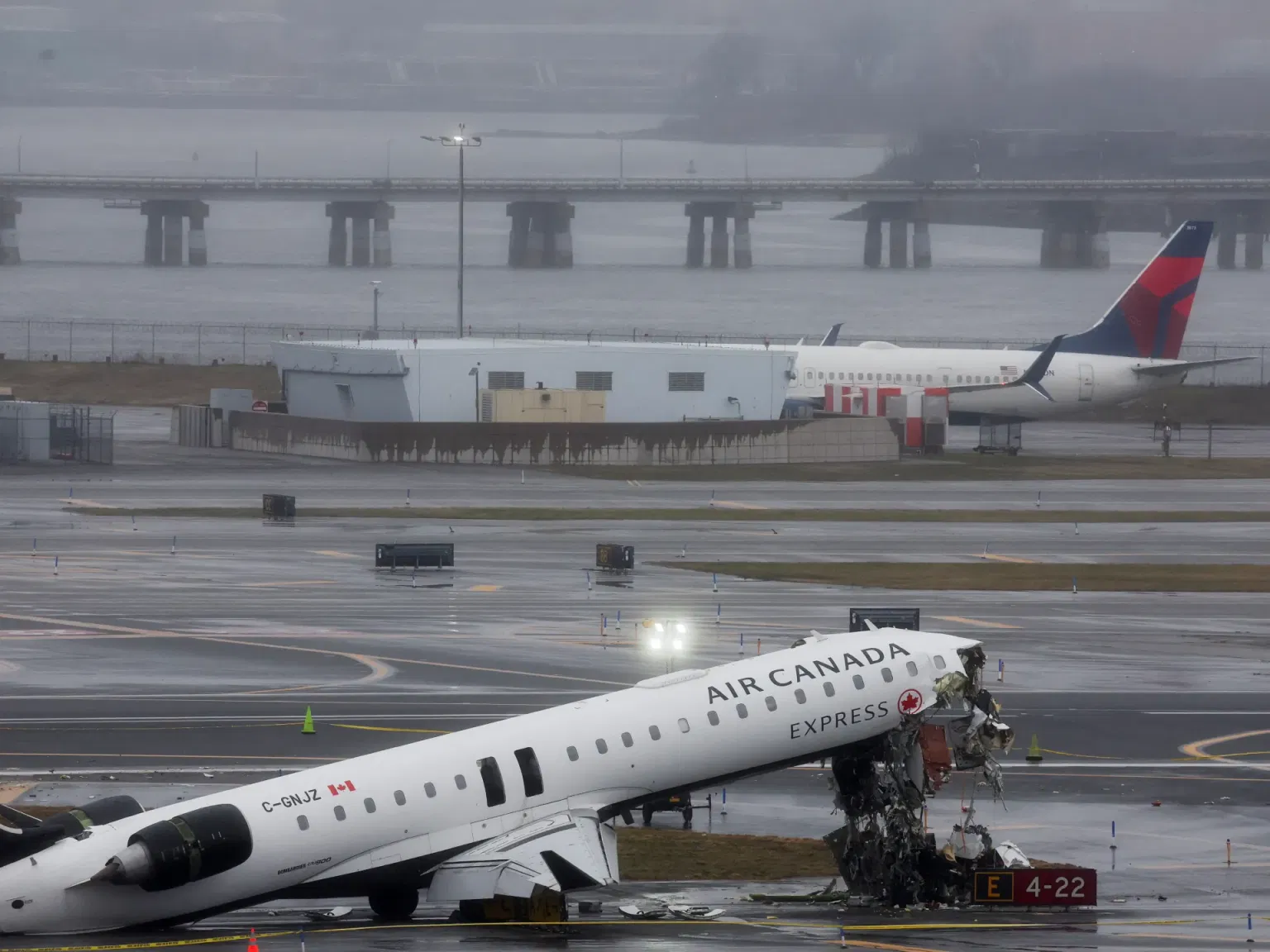
The tragic collision between an Air Canada Express flight and a fire truck at New York's LaGuardia Airport on March 23, 2026, has sent shockwaves through the travel community. The crash, which killed both pilots and injured dozens of passengers and firefighters, serves as a sobering reminder of the complex safety challenges that exist even at the world's busiest airports. As investigators piece together what went wrong, travelers are left wondering what this means for their own safety and what they can do to stay informed and protected during air travel.
How the Tragedy Unfolded: Inside the LaGuardia Crash
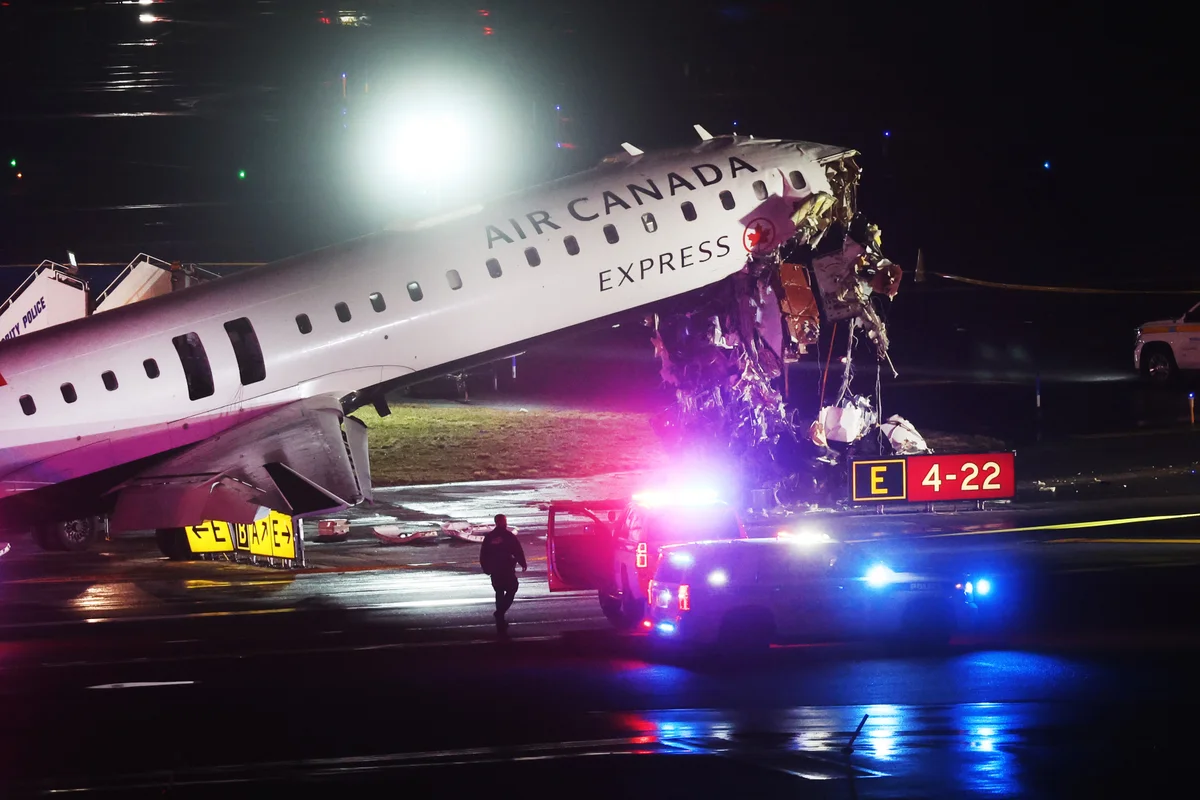
According to multiple news reports, Air Canada Flight 8646 was approaching LaGuardia Airport from Montreal when it collided with a Port Authority fire truck on the runway. The CRJ-900 regional jet, carrying 72 passengers and four crew members, struck the emergency vehicle while landing around 11:30 PM on Sunday night. Both pilots—identified as Mackenzie Gunther and Antoine Forest—were killed instantly, while 41 passengers and two firefighters were transported to area hospitals with injuries ranging from minor to serious.
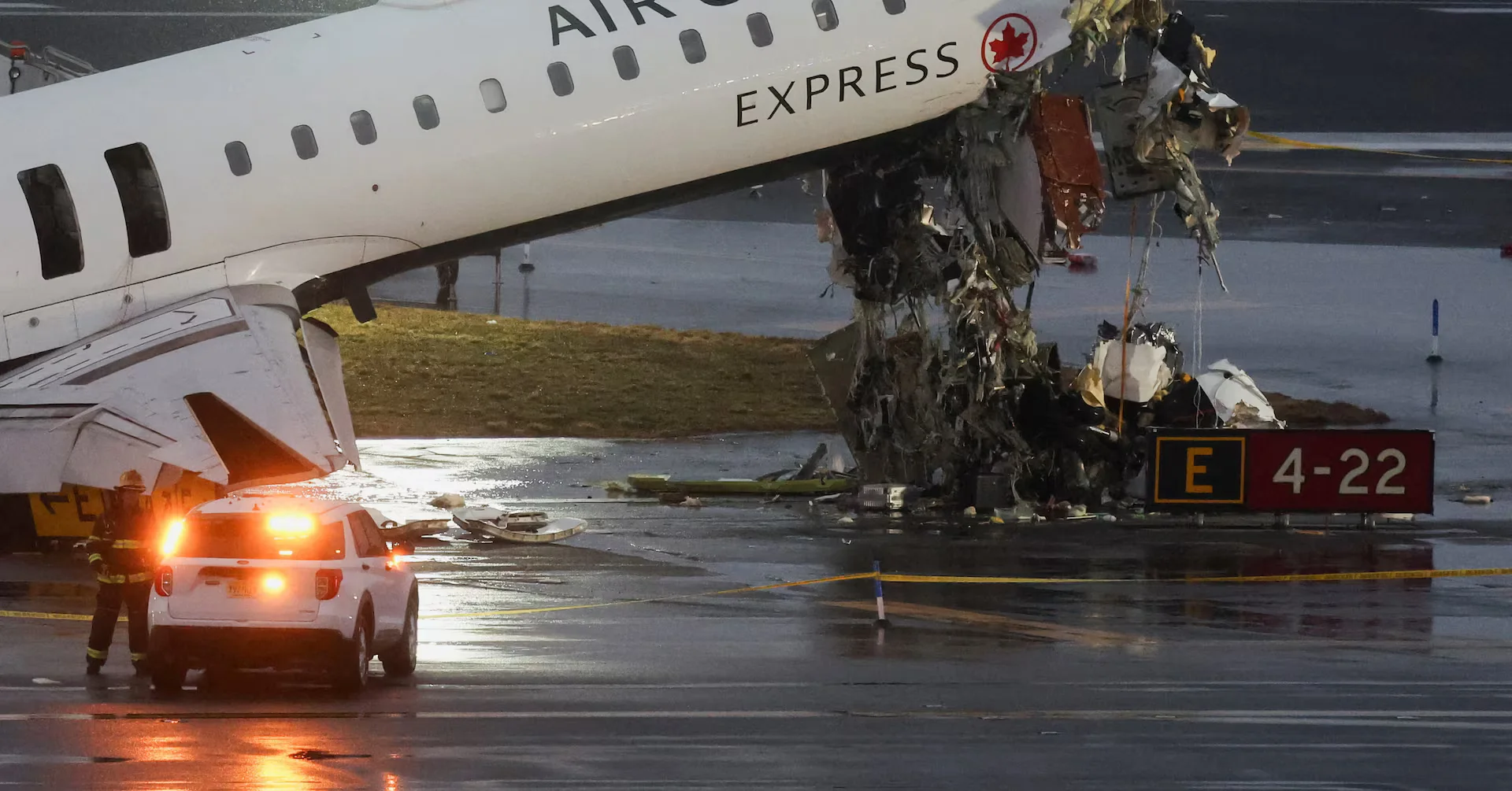
The collision forced the immediate closure of LaGuardia Airport, one of New York City's three major airports, stranding thousands of travelers and causing widespread flight cancellations and delays. Airport operations resumed approximately 12 hours later, but the incident has raised serious questions about ground safety protocols at major airports. National Transportation Safety Board (NTSB) chair Jennifer Homendy confirmed that the runway safety system designed to prevent such collisions "did not alert" controllers to the impending disaster.
Timeline: The Critical Moments Before Impact
Investigators have begun reconstructing the sequence of events leading up to the fatal collision. According to preliminary reports, the fire truck was responding to a separate incident involving a United Airlines flight that had reported a possible mechanical issue. Air traffic controllers reportedly cleared both the Air Canada jet to land and the fire truck to cross the same runway within seconds of each other, creating the deadly conflict.
What makes this incident particularly troubling is that pilots had raised safety concerns about LaGuardia Airport months before the crash. A report filed in 2025 highlighted "miscommunication, air traffic control missteps and other hazards" at the airport, according to CNN. These warnings apparently went unaddressed, creating the conditions for Sunday night's tragedy. The NTSB has also revealed that the fire truck involved in the collision lacked a transponder, making it invisible to the airport's ground tracking system.
Safety Concerns That Were Ignored: Warnings Before the Crash
The LaGuardia crash didn't occur in a vacuum. For months before the incident, pilots and aviation safety experts had been sounding alarms about deteriorating safety conditions at the New York airport. A 2025 safety report documented numerous near-misses and communication breakdowns between air traffic controllers and ground vehicles. One pilot reportedly pleaded with officials to "please do something" about the dangerous conditions, according to documents obtained by news organizations.
These pre-existing concerns highlight a broader issue in aviation safety: the gap between identifying risks and implementing solutions. The International Air Transport Association (IATA) reported that while overall aviation safety continues to improve globally, ground operations remain a persistent challenge. Their 2024 safety report noted that "runway incursions and ground collisions continue to represent a significant portion of aviation accidents," underscoring the need for improved technology and procedures at busy airports like LaGuardia.
What This Means for Travelers: Airport Safety Insights
While passengers have little control over airport operations and air traffic control decisions, understanding the safety landscape can help travelers make informed choices. First, it's important to recognize that air travel remains remarkably safe overall. According to IATA statistics, the global accident rate in 2024 was just 1.32 accidents per million flights, meaning you're more likely to be struck by lightning than involved in a serious aviation incident.
However, the LaGuardia crash reminds us that safety is a shared responsibility. Travelers can contribute to their own safety by staying alert and following instructions both in the terminal and on the aircraft. The Port Authority of New York and New Jersey, which operates LaGuardia Airport, recommends that travelers "allow extra time" for their journeys and "get real-time info" about security lines and airport conditions through official channels. These simple steps can reduce stress and help you stay aware of your surroundings.
Expert Travel Safety Tips for Your Next Flight
Based on recommendations from aviation authorities and travel safety experts, here are practical tips every traveler should consider:
- Arrive Early: The Transportation Security Administration (TSA) recommends arriving at least two hours before domestic flights and three hours before international flights. This gives you ample time to navigate security, find your gate, and stay informed about any changes or delays.
- Stay Informed: Download your airline's app and enable push notifications for gate changes, delays, and other important updates. Many airports also offer real-time security wait times through their websites or mobile apps.
- Follow Instructions: Pay attention to announcements from airport staff and flight crew. If you're directed to stay seated, avoid certain areas, or follow specific procedures, there's usually a safety reason behind the instruction.
- Know Your Surroundings: Identify the nearest emergency exits both in the terminal and on the aircraft. Count the number of rows between your seat and the exit so you can find it in low visibility conditions.
- Pack Smart: Familiarize yourself with TSA regulations before packing. Prohibited items can cause security delays and potentially dangerous situations if they're accidentally brought on board.
- Trust Your Instincts: If something doesn't feel right or safe, don't hesitate to alert airport staff or flight crew. Travelers are often the first to notice unusual situations.
The Bottom Line: Staying Safe While Traveling
The LaGuardia Airport crash is a tragic reminder that aviation safety requires constant vigilance from everyone involved—from air traffic controllers and pilots to airport staff and passengers. While the investigation continues and safety improvements are implemented, travelers can take proactive steps to enhance their own security and peace of mind.
Air travel remains one of the safest modes of transportation, with continuous improvements in technology, training, and procedures. By staying informed, following safety guidelines, and remaining alert during your travels, you contribute to the safety culture that makes modern aviation possible. The legacy of the LaGuardia tragedy should be not fear of flying, but rather a renewed commitment to safety awareness that honors those affected by this terrible event.
As you plan your next trip, remember that safety is a journey, not a destination. Whether you're flying through LaGuardia or any other airport around the world, your awareness and preparedness make a difference in creating a safer travel experience for everyone.