
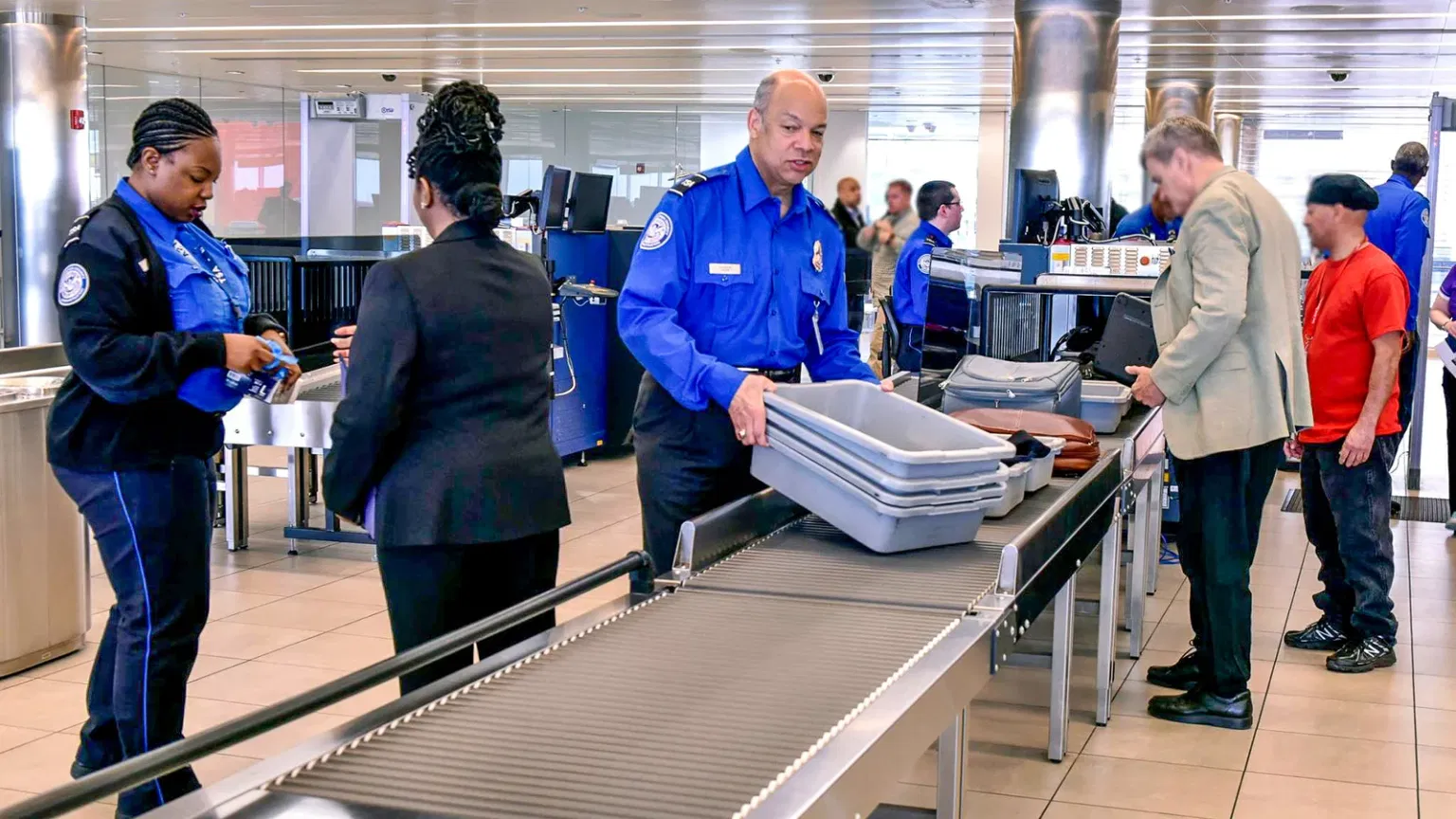
A viral travel rumor that swept across social media this week had countless travelers wondering if they needed to buy new transparent luggage for their summer trips. The claim: The Transportation Security Administration (TSA) would require all carry-on bags to be clear starting this summer. The reality: It was an elaborate April Fools' Day prank that went viral, causing confusion, concern, and even anger among travelers who believed the fictional policy was real.
How the TSA Clear Bag Prank Went Viral
On April 1, 2026—April Fools' Day—travel website Upgraded Points published an article with the headline "TSA Announces New Policy: All Travelers Will Need Clear Carry-On Bags Starting This Summer." The article, which included an April Fools' disclaimer, presented itself as breaking news about a new TSA initiative called the "Transparent Screening Initiative." According to the satirical piece, internal TSA testing had supposedly found that clear bags reduced manual bag checks by nearly 40% during simulated screening exercises.
The article described a phased rollout plan, beginning with select airports in summer 2026 and expanding nationwide by 2027. It even included fabricated quotes from TSA officials and detailed specifications for the fictional clear bag requirements. While the article did contain an April Fools' disclosure, many readers missed this detail as the story began circulating on social media platforms without the crucial context.
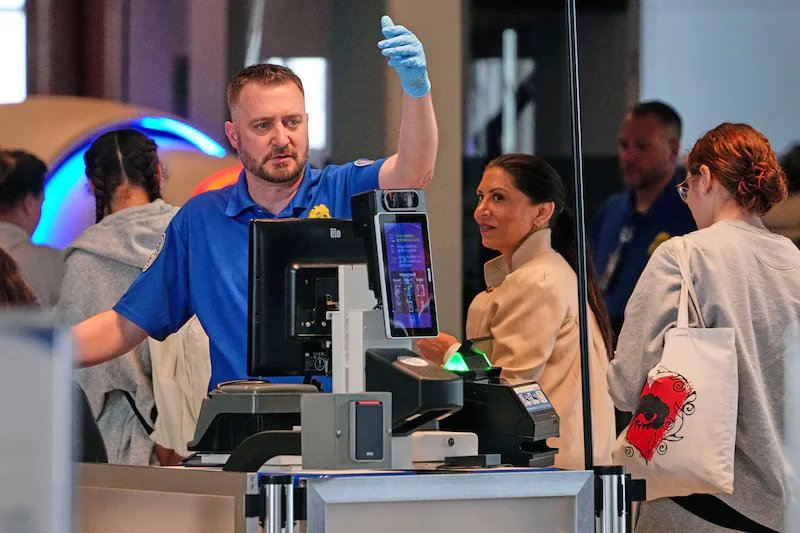
Within hours, the story spread across Facebook, Twitter, Instagram, and travel forums. Travelers expressed frustration about the potential cost of replacing their luggage, concerns about privacy (with all their belongings visible), and questions about how the policy would work in practice. Some social media users shared the story as legitimate news, while others questioned its authenticity given the date. The confusion was compounded by the fact that the story contained just enough plausible detail to seem credible to those unfamiliar with TSA's actual policies.
Timeline: How the April Fools' Joke Unfolded
The rapid spread of this travel misinformation followed a predictable pattern that's become increasingly common in the age of social media virality. Here's how the events unfolded:
April 1, 2026 (Morning): Upgraded Points publishes their April Fools' article about TSA requiring clear carry-on bags. The article includes a disclaimer identifying it as an April Fools' joke, but this is easily missed by readers who encounter the content through social media shares.
April 1 (Afternoon): The story begins gaining traction on social media platforms. Initial shares come from travel groups and pages, with many users expressing genuine concern about the "new policy." Some commenters point out the date, but their warnings are often buried under more emotional reactions.
April 2: The story reaches peak virality. Major news outlets and fact-checking organizations begin receiving inquiries from concerned travelers and readers asking about the legitimacy of the claim. Social media algorithms amplify the content due to high engagement, spreading it to audiences beyond the original travel-focused communities.
April 2-3: Fact-checking organizations including Snopes and Newsweek publish articles debunking the viral claim. These articles clarify that TSA has not announced any such policy and that the story originated as an April Fools' prank. Mainstream news outlets like AL.com also publish clarifications to address the confusion.
April 3-4: The travel community engages in broader discussions about April Fools' jokes in the travel industry and the importance of verifying information before sharing. Some travelers report having already researched or purchased clear luggage in response to the false claim.
Why So Many Travelers Believed the Prank
The success of this particular April Fools' joke reveals several important insights about travel misinformation and passenger psychology. First, the story tapped into genuine traveler anxieties about constantly changing security regulations. Many travelers have experienced the frustration of last-minute policy changes that disrupt their travel plans or require new purchases.
Second, the prank contained elements of plausibility. TSA does already have a clear bag requirement—for liquids, gels, and aerosols in quart-sized bags. Expanding this concept to entire carry-ons isn't a huge logical leap, especially for travelers who've noticed increasing security measures over the years. The article also included specific details like percentage improvements in screening efficiency and phased implementation timelines that lent it an air of authenticity.
Third, the timing was perfect. With summer travel planning in full swing, many travelers were already thinking about airport security and luggage requirements. The story arrived at a moment when people were particularly receptive to information about travel regulations.
Finally, the visual nature of the claim made it highly shareable on social media. The idea of transparent luggage is inherently visual and prompted many users to share photos of clear suitcases alongside their reactions, further amplifying the reach of the false information.
What TSA Actually Requires: The Real Clear Bag Rules
While the viral claim was false, TSA does have specific regulations involving clear bags that every traveler should know. Understanding these real rules can help you avoid confusion and ensure smooth airport experiences:
The 3-1-1 Liquids Rule: This is TSA's actual clear bag requirement. Passengers may bring liquids, gels, aerosols, creams, and pastes in travel-size containers that are 3.4 ounces (100 milliliters) or less per item. These containers must be placed in a single, quart-sized, clear plastic, zip-top bag. Each passenger is limited to one such bag.
Medical Exceptions: Medications, baby formula, breast milk, and juice are allowed in reasonable quantities exceeding 3.4 ounces and are not required to be in the zip-top bag. These items should be declared to security officers for inspection.
Recent Security Technology Updates: While not requiring clear luggage, TSA has been implementing new screening technologies that might have contributed to the plausibility of the prank. These include computed tomography (CT) scanners at checkpoints that provide 3D images of bag contents, reducing the need for physical bag searches.
Real Bag Requirements: TSA does have guidelines for carry-on baggage size (typically 22" x 14" x 9" including wheels and handles) and prohibited items, but there are no requirements regarding bag transparency or material beyond the liquids rule.
Current Status: The Aftermath of the Viral Prank
As of early April 2026, the confusion surrounding the TSA clear bag prank has largely been addressed by fact-checking organizations and legitimate news outlets. However, the incident has sparked important conversations within the travel community about several key issues:
Travel Misinformation: The episode highlights how quickly false information can spread in travel communities, where anxiety about regulations and preparation creates fertile ground for misinformation. Travel experts are urging passengers to verify any surprising travel policy changes through official channels before taking action.
April Fools' in the Travel Industry: Some industry observers have questioned whether travel brands should participate in April Fools' jokes given the potential for confusion and the real-world consequences for travelers. While humor has its place, the line between harmless fun and potentially costly confusion is becoming increasingly blurred.
TSA's Communication Challenge: The incident also underscores the challenge TSA faces in communicating actual policy changes. When false claims circulate widely, they can undermine trust in official communications and create unnecessary anxiety among travelers.
Social Media Responsibility: Platforms where the false claim spread most rapidly are facing questions about their role in amplifying misinformation, even when it's presented as humor. The algorithms that prioritize engaging content often fail to distinguish between legitimate news and satire, especially when users share content without proper context.
How to Protect Yourself from Travel Misinformation
Based on lessons learned from this incident and similar episodes of travel misinformation, here are practical steps every traveler can take to avoid being fooled by false claims:
Verify Through Official Sources: Before making any travel purchases or changing your plans based on social media posts, check official sources. For TSA regulations, visit tsa.gov or use the "What Can I Bring?" feature on their website. For airline-specific policies, check the airline's official website.
Be Skeptical of Major Policy Changes: Significant changes to travel security policies are typically announced well in advance through multiple channels. If you hear about a major change suddenly on social media, especially around April 1, approach it with healthy skepticism.
Check Multiple Reputable Sources: If you encounter surprising travel news, check whether multiple reputable news organizations are reporting it. Be particularly cautious if you can only find the information on social media or lesser-known websites.
Consider the Timing: Be especially vigilant around April Fools' Day, but remember that misinformation can circulate any time of year. Other common times for travel hoaxes include peak booking periods and just before major holidays.
Use Fact-Checking Resources: Organizations like Snopes, FactCheck.org, and the International Fact-Checking Network regularly debunk viral claims. When in doubt, search these sites or use their search functions to check specific claims.
The Bottom Line for Travelers
The viral TSA clear bag prank serves as a reminder that in today's digital age, travel information requires careful verification. While you don't need to rush out and buy transparent luggage for your summer travels, you should ensure you're following TSA's actual regulations, particularly the 3-1-1 liquids rule. The incident also highlights the importance of critical thinking when consuming travel content online, especially when that content triggers emotional reactions or suggests urgent action is needed.
As travel continues to evolve with new technologies and regulations, staying informed through official channels will remain your best defense against misinformation. And while April Fools' jokes can be entertaining, the travel industry may need to reconsider how it engages in such humor when the stakes involve real traveler anxiety and potential financial consequences. For now, travelers can breathe a sigh of relief—their current luggage is perfectly acceptable for TSA screening, provided it meets size requirements and doesn't contain prohibited items.