
United Airlines has pushed back its long-awaited return to Dubai yet again, extending the suspension of its Newark-to-Dubai nonstop service until March 2027 — roughly a month beyond its previous target — and leaving ticketed travelers with one clear path forward: claim a refund or lean on the carrier's Emirates partnership to reach the UAE. It is the latest chapter in a turbulent stretch for international air travel into the United Arab Emirates, where Western airlines have struggled to lock in firm restart dates since a February 2026 U.S.–Israeli strike on Iran upended flight planning across the Middle East.
The route, which links Newark Liberty International Airport (EWR) with Dubai International Airport (DXB), has quietly become a bellwether for how global carriers are weighing the region's slow and uneven recovery. United has not offered a detailed public explanation for the newest setback, but it confirmed the change through its refund policy and in statements to aviation outlets.
Inside the Delay: Why United's Dubai Route Keeps Slipping
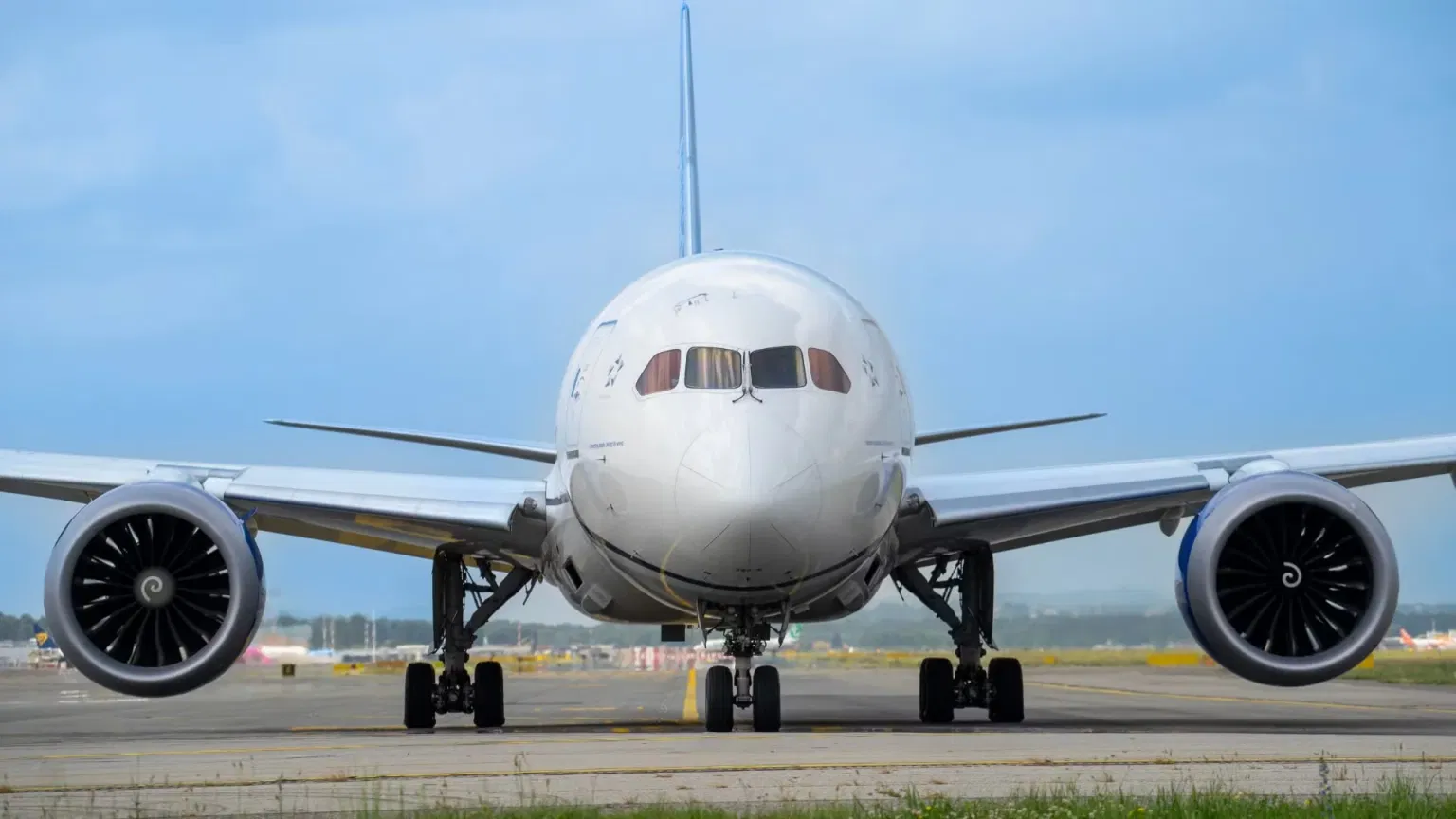
United launched Newark–Dubai in March 2023, becoming the only American airline flying nonstop between the United States and Dubai. The daily Boeing 787-9 service was made possible in large part by United's commercial partnership with Emirates, which gives United customers onward access to more than 100 destinations beyond the Gulf hub while funneling Emirates passengers onto United's sprawling U.S. network.
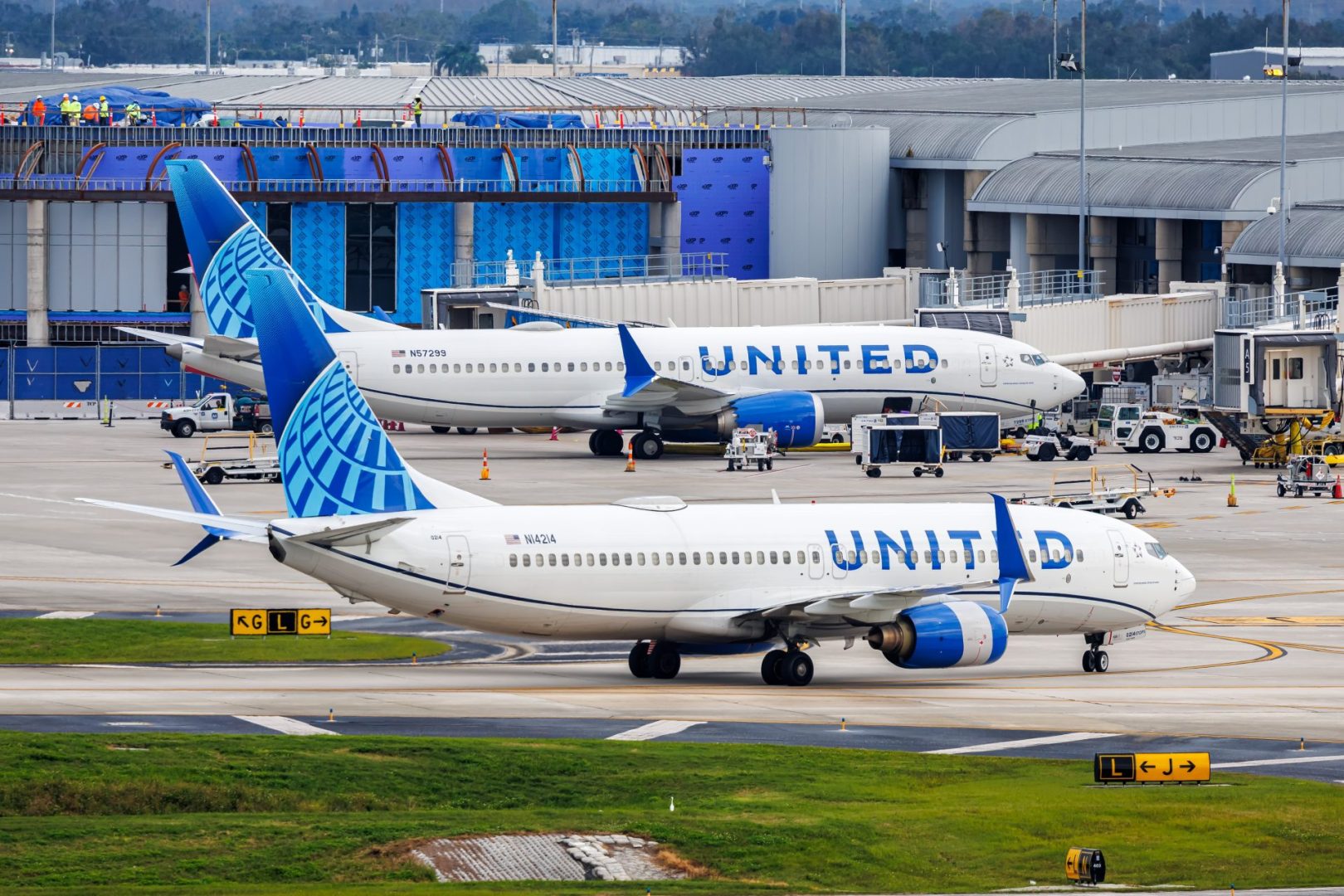
That nonstop link operated without interruption until February 2026, when escalating regional hostilities forced United to suspend the service. Unlike past conflicts where Dubai remained an untouched safe haven, DXB has repeatedly faced the threat of missiles and drones tied to the U.S.–Iran standoff, and the UAE's air defense systems have intercepted incoming projectiles over the country. In mid-March, a drone strike hit an on-site fuel tank at the airport, sparking a large blaze that briefly froze all flight operations.
United told Simple Flying it remains committed to the route: "We look forward to resuming our nonstop flights between Newark and Dubai in March. In the meantime, United customers can take advantage of our partnership with Emirates, which offers nonstop flights to Dubai from six United hubs."
Timeline: From a 2023 Launch to the Latest Postponement
The suspension has been a series of moving targets rather than a single event. Here is how the route has unfolded:
- September 2022: United and Emirates announce a commercial partnership that paves the way for United's return to Dubai.
- March 2023: United launches daily Newark–Dubai service on the Boeing 787-9, the only nonstop U.S.–Dubai route flown by an American carrier.
- February 2026: The service is suspended as regional hostilities and airspace restrictions mount following the U.S.–Israeli strike on Iran.
- September 8, 2026: United resumes Newark–Tel Aviv flights on Boeing 787s, with Chicago O'Hare and Washington Dulles expected to follow during the winter.
- September 2026: United extends the Dubai suspension to March 2027 — a month later than its prior February 2027 target — and widens its refund window.
Why the Suspension Matters: War-Risk Insurance and a Two-Speed Recovery
The significance of the delay goes beyond a single flight number. Newark–Dubai connects two major global hubs, and United can feed the route through its vast U.S. network while Emirates provides powerful onward connectivity from the Gulf. But long-haul routes require expensive commitments — aircraft utilization, crews, fuel, insurance, airport slots and demand planning — and restarting a service only to suspend it again can be more costly than waiting for a clearer operating environment.
The biggest financial hurdle is insurance. The spike in Gulf military activity drove aviation "war-risk" premiums to extreme highs, according to Gulf News. If those premiums stay elevated, United would lose money on the Newark–Dubai route before the plane even leaves New Jersey — making a delay far more attractive than flying a money-losing service. The next major test comes in November, when airlines will learn whether war-zone insurance rates finally ease.
At the same time, the recovery is moving at two very different speeds. Gulf carriers have kept flying through much of the disruption, restoring their flight volumes to more than 80% of prewar levels by mid-June. Western airlines, by contrast, have largely erased the Gulf from their schedules for the rest of the year. Passenger traffic at DXB fell more than 30% in the first half of 2026 — an estimated 31.5 million travelers, according to Fortune — though monthly numbers have been climbing steadily from 3.5 million in April to 5 million by June.
United is hardly alone. Delta extended its Atlanta–Tel Aviv suspension through December, American Airlines has said its Doha route won't return before 2027 at the earliest, British Airways postponed its Heathrow–Dubai restart from August to October, and KLM has repeatedly pushed back flights to Dubai, Riyadh and Dammam. Together, they paint an industry still firmly in wait-and-see mode.
Where Things Stand: Refunds, Rebooking, and Emirates Alternatives
For travelers, the most important distinction is between a delayed route and a permanently canceled one. United is still positioning Newark–Dubai as a future operation rather than abandoning the market. Under the carrier's updated refund policy, passengers booked for affected travel between October 24, 2026 and March 27, 2027 are eligible for a full refund to their original form of payment. Travelers with earlier bookings have already been contacted individually about rebooking or refund options.
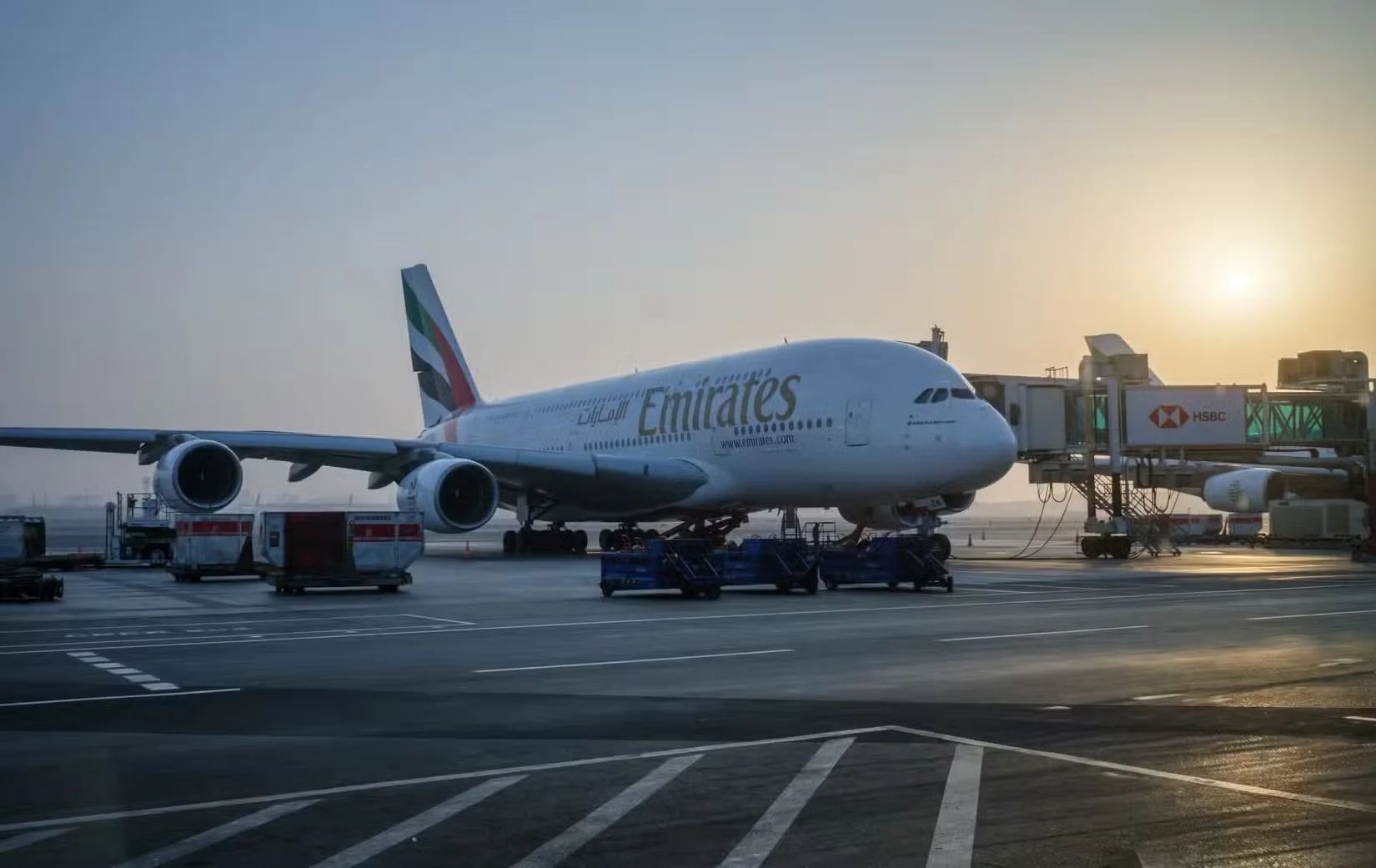
Emirates and Etihad, meanwhile, continue to offer the region's most dependable nonstop service into Dubai and Abu Dhabi from major U.S. cities including New York, Los Angeles, Chicago and Miami — effectively becoming the default choice for travelers determined to reach the emirates this season.
What Happens Next for the Newark–Dubai Route
Aviation insider JonNYC has reported that United isn't planning to restart Newark–Dubai until the end of March 2027 "at the earliest," suggesting a relaunch timed to the start of the IATA summer season. United itself has confirmed it looks forward to resuming the nonstop service in March, without committing to a specific date.
Notably, United is not retreating from international flying. The airline recently announced its largest international expansion, adding 10 new international cities and three new routes beginning in 2027. In other words, the carrier is reallocating capacity toward routes where it has greater confidence — while Dubai waits for the region to stabilize.
Key Takeaways for Travelers
- United's Newark–Dubai nonstop remains suspended until at least March 2027.
- Passengers booked between October 24, 2026 and March 27, 2027 can request a full refund to their original payment method.
- The delay is driven by regional security risks and elevated war-risk insurance costs, not a lack of demand.
- Emirates offers nonstop Dubai flights from six United hubs as a workaround through the partnership.
- United is still expanding internationally, adding 10 new cities and three new routes starting in 2027.